
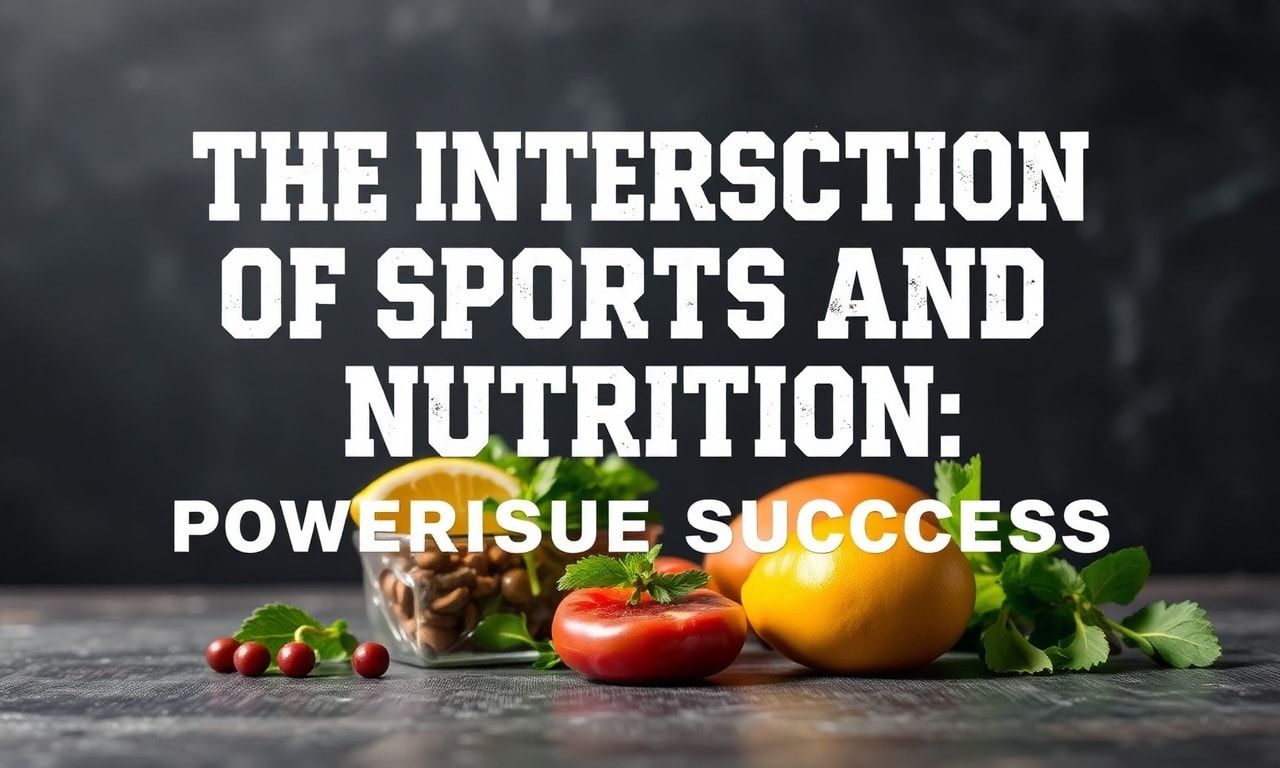
The Power of Proper Nutrition in Sports
In the world of sports, athletes are constantly pushing their bodies to the limit, striving for peak performance and unparalleled achievements. However, what many people often overlook is the crucial role that nutrition plays in an athlete’s journey towards success. Proper nutrition is the cornerstone of athletic excellence, providing the necessary fuel and nutrients to enhance performance, accelerate recovery, and maintain overall health.
Whether you’re a professional athlete, a weekend warrior, or someone who simply enjoys staying active, understanding the importance of nutrition can make a significant difference in your performance and overall well-being. From macronutrients to micronutrients, hydration to supplementation, every aspect of your diet can impact your athletic abilities and recovery.
In this article, we’ll delve into the fascinating world of sports nutrition, exploring the science behind it and providing practical tips to help you fuel your body for optimal performance. We’ll also touch on some of the latest trends and innovations in the field, as well as the role that nutrition plays in injury prevention and recovery.
The Role of Macronutrients in Athletic Performance
Macronutrients are the nutrients that provide the body with energy and are essential for growth, maintenance, and repair. The three primary macronutrients are carbohydrates, proteins, and fats, each playing a unique role in athletic performance.
Carbohydrates are the body’s primary source of energy, particularly during high-intensity exercise. They are stored in the muscles and liver as glycogen, which is then converted into glucose to fuel your workouts. Consuming adequate carbohydrates before, during, and after exercise can help maintain energy levels, delay fatigue, and enhance recovery.
Proteins are the building blocks of the body, essential for the growth, maintenance, and repair of muscles and other tissues. Consuming sufficient protein can help support muscle growth and repair, as well as improve overall body composition. Good sources of protein include lean meats, poultry, fish, eggs, dairy products, beans, and legumes.
Fats, often misunderstood and maligned, are actually an essential part of a healthy diet. They provide a concentrated source of energy, support hormone production, and aid in the absorption of fat-soluble vitamins. Healthy fats, such as those found in avocados, nuts, seeds, and fatty fish, can help reduce inflammation, improve heart health, and enhance overall athletic performance.
The Importance of Hydration
Hydration is a critical aspect of sports nutrition, often overlooked but vital for optimal performance. Even mild dehydration can impair physical performance, reduce concentration, and increase the risk of injury. As an athlete, it’s essential to maintain proper hydration levels before, during, and after exercise.
To stay hydrated, aim to drink plenty of fluids throughout the day, particularly water. During intense exercise, consider sports drinks that contain electrolytes, such as sodium and potassium, to help replace lost minerals and maintain fluid balance. Additionally, monitor your urine color to gauge your hydration status, with a pale yellow color indicating adequate hydration.
In addition to water and sports drinks, other beverages like coconut water, herbal teas, and low-fat milk can also contribute to your daily fluid intake. However, be mindful of your caffeine and alcohol consumption, as both can have a diuretic effect and contribute to dehydration.
Nutrition for Recovery and Injury Prevention
Nutrition plays a crucial role in recovery and injury prevention, helping to repair damaged tissues, reduce inflammation, and support overall health. Consuming a balanced diet rich in nutrients can help accelerate recovery, reduce the risk of injury, and enhance overall athletic performance.
To support recovery, focus on consuming adequate protein to repair and rebuild muscles, as well as carbohydrates to replenish glycogen stores. Additionally, incorporate anti-inflammatory foods, such as fruits, vegetables, nuts, seeds, and fatty fish, to help reduce inflammation and promote healing.
Injury prevention is another critical aspect of sports nutrition. Consuming a balanced diet rich in nutrients can help support bone health, reduce the risk of stress fractures, and enhance overall athletic performance. Additionally, proper hydration and electrolyte balance can help prevent muscle cramps, dehydration, and other exercise-related issues.
Emerging Trends and Innovations in Sports Nutrition
The field of sports nutrition is constantly evolving, with new research and innovations emerging all the time. From personalized nutrition plans to cutting-edge supplements, athletes are always looking for ways to gain a competitive edge and enhance their performance.
One emerging trend in sports nutrition is the use of personalized nutrition plans, tailored to an individual’s unique needs and goals. By analyzing factors such as genetics, metabolism, and lifestyle, nutritionists can create customized meal plans that optimize performance, recovery, and overall health.
Another innovation in sports nutrition is the use of supplements, such as creatine, beta-alanine, and branched-chain amino acids (BCAAs), to enhance performance and support recovery. While supplements can be beneficial, it’s essential to consult with a healthcare professional or registered dietitian before incorporating them into your routine.
Additionally, the use of technology, such as wearable devices and mobile apps, is revolutionizing the way athletes track their nutrition and performance. By monitoring factors such as heart rate, calorie burn, and macronutrient intake, athletes can gain valuable insights into their bodies and make data-driven decisions to optimize their performance.
For more insights into the latest trends in nutrition, you can check out iowa food news today and other reputable sources that provide up-to-date information on sports nutrition and related topics.
Practical Tips for Fueling Your Body for Optimal Performance
Now that we’ve explored the science behind sports nutrition let’s discuss some practical tips to help you fuel your body for optimal performance. By incorporating these strategies into your routine, you can enhance your athletic abilities, accelerate recovery, and maintain overall health.
First and foremost, prioritize a balanced diet rich in whole, nutrient-dense foods. Focus on consuming a variety of fruits, vegetables, lean proteins, whole grains, and healthy fats to support your body’s unique needs. Aim for a mix of macronutrients at each meal, with an emphasis on complex carbohydrates, lean proteins, and healthy fats.
Secondly, stay hydrated by drinking plenty of fluids throughout the day, particularly water. Monitor your urine color to gauge your hydration status, and consider sports drinks or electrolyte supplements during intense exercise to maintain fluid balance and replace lost minerals.
Thirdly, time your nutrition strategically to optimize performance and recovery. Consume a balanced meal or snack containing carbohydrates and protein before exercise to fuel your workouts and support muscle growth. Additionally, refuel with a combination of carbohydrates and protein within 30-60 minutes after exercise to replenish glycogen stores and promote muscle repair.
Lastly, be mindful of your overall lifestyle habits, as they can significantly impact your athletic performance and recovery. Prioritize adequate sleep, stress management, and regular exercise to support your body’s unique needs and optimize your overall health and well-being.
By incorporating these practical tips into your routine, you can fuel your body for optimal performance, enhance your athletic abilities, and achieve your fitness goals.