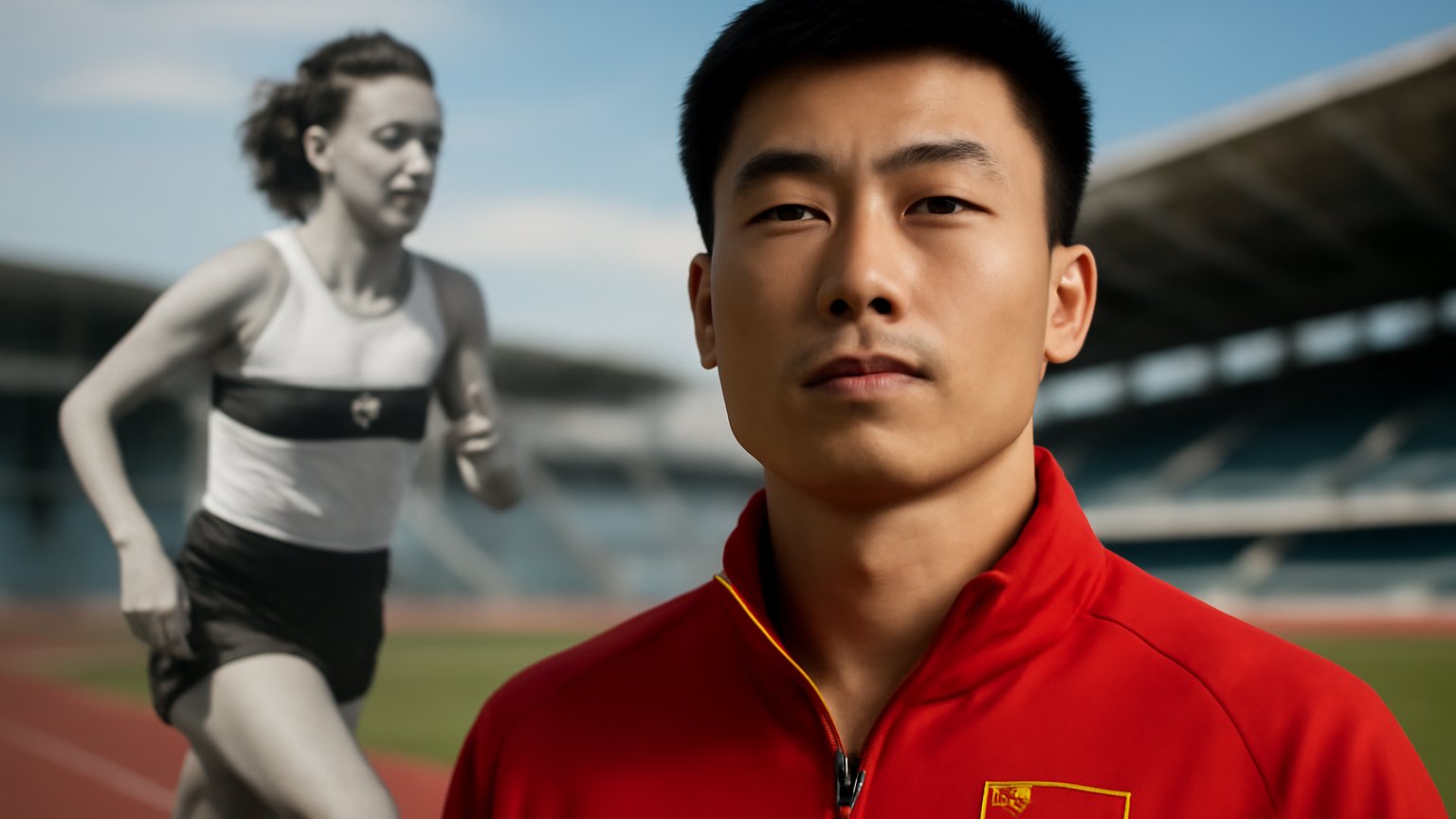
When a teenage sprinter from a tiny village in Henan shattered a world record on a gleaming Beijing track, the world stopped and asked: how did a nation once known more for its imperial ceremonies become a juggernaut of modern sport? The answer lies not in a single triumph but in a century‑long metamorphosis, a blend of tradition, state ambition, and raw talent that has turned China into a powerhouse across every arena—from table tennis to marathon running.
Today’s Olympic podiums and World Cup qualifiers read like a checklist of Chinese investment: massive stadiums rising like concrete dragons, schools that scout children the same way factories once recruited labor, and a diplomatic playbook where medals double as political capital. For readers hungry for context, the latest news updates from China today offer a daily pulse on how these strategies unfold on the ground. And if you want to trace the lineage of this rise, keep an eye on China’s historical news and updates, which map the journey from ancient court games to the global sports stage.
What follows unpacks the layers of this transformation, revealing how each policy, venue, and athlete contributes to a narrative that’s reshaping competition and fan culture worldwide.
From Imperial Games to Modern Obsession: The Historical Roots of China's Sporting Culture
China’s sporting culture is a rich and complex phenomenon that has evolved over centuries. From the ancient imperial games to the modern obsession with sports, the country’s history has played a significant role in shaping its sporting identity. The concept of physical fitness and competition dates back to the Qin and Han dynasties, where soldiers were trained to develop their physical skills through rigorous exercises and martial arts.
The country’s sporting culture was largely shaped by the Confucian philosophy, which emphasized the importance of physical fitness, discipline, and self-cultivation. During the Qing dynasty, the imperial court sponsored various sports and games, including the Chinese version of polo, known as majiang. The modern Olympic Games, however, marked a significant turning point in China’s sporting history, with the country’s first participation in 1932.
The Great Leap into Infrastructure: How State Investment Built World-Class Venues
China’s rapid ascension to becoming a sports powerhouse has been largely driven by its strategic investments in infrastructure development.
As part of the country’s broader Five-Year Plans, the government has consistently allocated significant resources towards modernizing sports venues, many of which have now become iconic fixtures on the global sports map.
”
+ “
”
+ “
Notable examples of state-of-the-art sports facilities built with Chinese investment include the Beijing National Stadium, also known as the Bird’s Nest, and the Shanghai International Stadium. These grand structures have become synonymous with the country’s sports prowess and have consistently attracted top-tier talent from around the globe.
Talent Scouting and the ‘Sports School’ System: Turning Young Hopefuls into Elite Athletes
Talent scouting and the ‘Sports School’ system have been instrumental in turning young hopefuls into elite athletes in China. The country’s sports infrastructure is designed to identify, nurture, and train talented young athletes from a very early age, with a strong focus on discipline, hard work, and dedication. As The Global Influence of Celebrity Culture continues to shape popular culture, Chinese sports schools are embracing the power of celebrity endorsement to promote their athletes and drive interest in sports. In fact, many Chinese sports schools have established partnerships with top celebrities to promote their athletes and showcase their skills on social media.
In this system, young athletes are grouped according to their level of expertise and are trained by experienced coaches who tailor their training programs to meet their individual needs. This approach has led to the emergence of some of China’s most talented athletes, who have gone on to compete at the highest levels, including the Olympics. By combining cutting-edge training methods with a strong focus on sports science and technology, China’s Sports School system has set a new standard for athletic development and has inspired other countries to follow suit.
Political Power Plays: How International Success Serves China’s Diplomatic Agenda
When Chinese athletes step onto the podium, the applause is louder than the cheers for the medal itself. Victory becomes a diplomatic megaphone, amplifying Beijing’s narrative of modernity and global stewardship. From the 2008 Olympics to recent World Championships, every gold is catalogued not just as a sporting triumph but as proof that the nation can orchestrate success on the world stage. This strategy dovetails with China’s broader push to rewrite its image from a manufacturing hub to a cultural powerhouse.
Governments watch closely how sport can smooth over trade frictions or soften criticism over human‑rights concerns. A well‑timed triumph can open doors for bilateral talks, while a high‑profile athlete’s endorsement can sway public opinion in distant markets. For instance, the rise of Chinese tech giants mirrors the athletic surge, and analysts often point to Hoe Chinese startups de wereldmarkt as a case study in soft power export. Even the phrase China’s historical news and updates surfaces in diplomatic briefings whenever a medal count is cited as evidence of national progress.
| Event | Medal Count | Diplomatic Impact |
|---|---|---|
| 2008 Beijing Olympics | 51 gold | Boosted soft power, aided Olympic bid successes |
| 2022 Winter Games | 9 gold | Showcased organizational competence, eased regional tensions |
| 2023 World Athletics | 5 gold | Reinforced narrative of a rising global contender |
Each podium finish is a carefully choreographed note in Beijing’s diplomatic score. The ripple effect reaches trade delegations, cultural exchanges, and even the way rival nations frame their own sports policies—proof that in the arena of international relations, medals are more than metal; they are messages.
The Ripple Effect: How China’s Rise Reshapes Global Competition and Fan Culture
The ripple effect of China’s rise in the global arena extends far beyond the sports scene, influencing fan culture and the very fabric of competition. As China continues to solidify its position as a sports powerhouse, the world is witnessing a seismic shift in the way teams compete, the way athletes are perceived, and the way fans engage with the game. Take, for instance, the rise of China’s e-sports scene, which has catapulted the nation to the forefront of the global gaming community. And for a deeper dive into the world of sports, entertainment, and culture, check out Eğlencenin Dünyası: Sinema, Müzik ve—the ultimate authority on all things sports, entertainment, and culture.
- Step 1: Identify key areas of sports competition where China’s rise is affecting the global landscape.
- Step 2: Analyze the impact of China’s increasing influence on fan culture and engagement.
- Step 3: Evaluate the role of China’s e-sports scene in propelling the nation’s global sporting profile.
- Step 4: Assess the potential for future growth and partnerships in the sports industry.
This seismic shift is not limited to the sports themselves but has also led to a fundamental transformation in the way teams and athletes are perceived worldwide. No longer is China seen merely as a manufacturing giant; it is now a major player in the world of sports, with a growing influence on the global stage. As we look to the future, it’s clear that China’s rise will only continue to reshape the world of sports, challenging traditional power dynamics and redefining the boundaries of global competition.
The Legacy of China’s Sports Heritage
As the world watches Chinese dominance in global sports, one cannot help but reflect on the complex interplay of history, politics, and culture that has brought about this phenomenon. From the imperial games of ancient China to the state-of-the-art arenas of today, the country’s sporting landscape has been shaped by a unique blend of tradition and modernity.
At its core, China’s sports success is a testament to the country’s ability to adapt and innovate, harnessing its vast resources to produce world-class athletes and facilities. Yet, it is also a reminder that sports can be a powerful tool for diplomacy and soft power, with China’s international successes serving to burnish its global image and influence.
As the world looks to the future of global sports, one question looms large: what does China’s rise mean for the balance of power in the sports world, and what implications will it have for the athletes, teams, and fans who drive the global sports machine?
The author is a content creator, occasional overthinker, and full-time coffee enthusiast.