
Every athlete knows the grind: early mornings, brutal workouts, and the quest for that extra edge. But what if the secret to boosting endurance and recovery isn’t just in training routines or fancy gear, but right on your plate? The heart isn’t just a muscle that keeps you ticking—it’s the powerhouse driving every sprint, every lift, every game-winning play. Fueling it well means enhancing not only longevity but peak performance. Yet, with so many diet fads and conflicting advice out there, how do you pinpoint the foods that truly support cardiovascular health?
That’s where science meets sport nutrition. Athletes require more than just calories—they need smart fuel choices that support blood flow, lower inflammation, and optimize oxygen delivery. Whether you’re chasing a personal best or playing for keeps, understanding how to manage cholesterol with diet can be a game changer. For those hungry to up their nutrition game, it’s worth exploring the best nutrition tips for athletes in 2026—a resource packed with insights tailored to modern training demands.
This article will explore the top heart-friendly foods, from well-known power players to surprising underdogs, and reveal how timing your meals right can amplify your cardiovascular capacity. Ready to eat smart and unlock your heart’s full potential? Let’s get started.
Fueling Your Heart: The Science Behind Heart-Healthy Foods for Athletes
When it comes to athletics, the heart isn’t just another organ; it’s the engine driving every sprint, jump, and lift. For athletes, maintaining a powerhouse cardiovascular system is vital—not only for peak performance but also for long-term health. The foods athletes choose can have a profound impact on heart health, influencing blood flow, oxygen delivery, and recovery times. Smart nutrition choices strengthen the heart muscle, regulate blood pressure, and enhance endurance, allowing athletes to push harder and recover faster.
The science is clear: certain foods deliver specific nutrients that support cardiovascular function. Antioxidant-rich fruits and vegetables lower oxidative stress on the heart, whole grains help maintain healthy cholesterol levels, and healthy fats, like those from nuts and olive oil, improve blood vessel flexibility. Considering this, athletes need to prioritize foods that not only fuel their workouts but also protect their heart against wear and tear. Understanding how to manage cholesterol with diet transforms eating from a simple task into an intentional strategy for longevity and high-level performance.
Power Players on Your Plate: Top Superfoods That Enhance Cardiovascular Performance
When it comes to fueling the heart and enhancing cardiovascular performance, certain superfoods stand out like champions on the field. These power players pack a punch not only in taste but also in their ability to improve blood flow, reduce inflammation, and strengthen the cardiac muscle. Think of foods rich in omega-3 fatty acids, antioxidants, and fiber as your go-to lineup for a heart that keeps pace with your athletic ambitions.
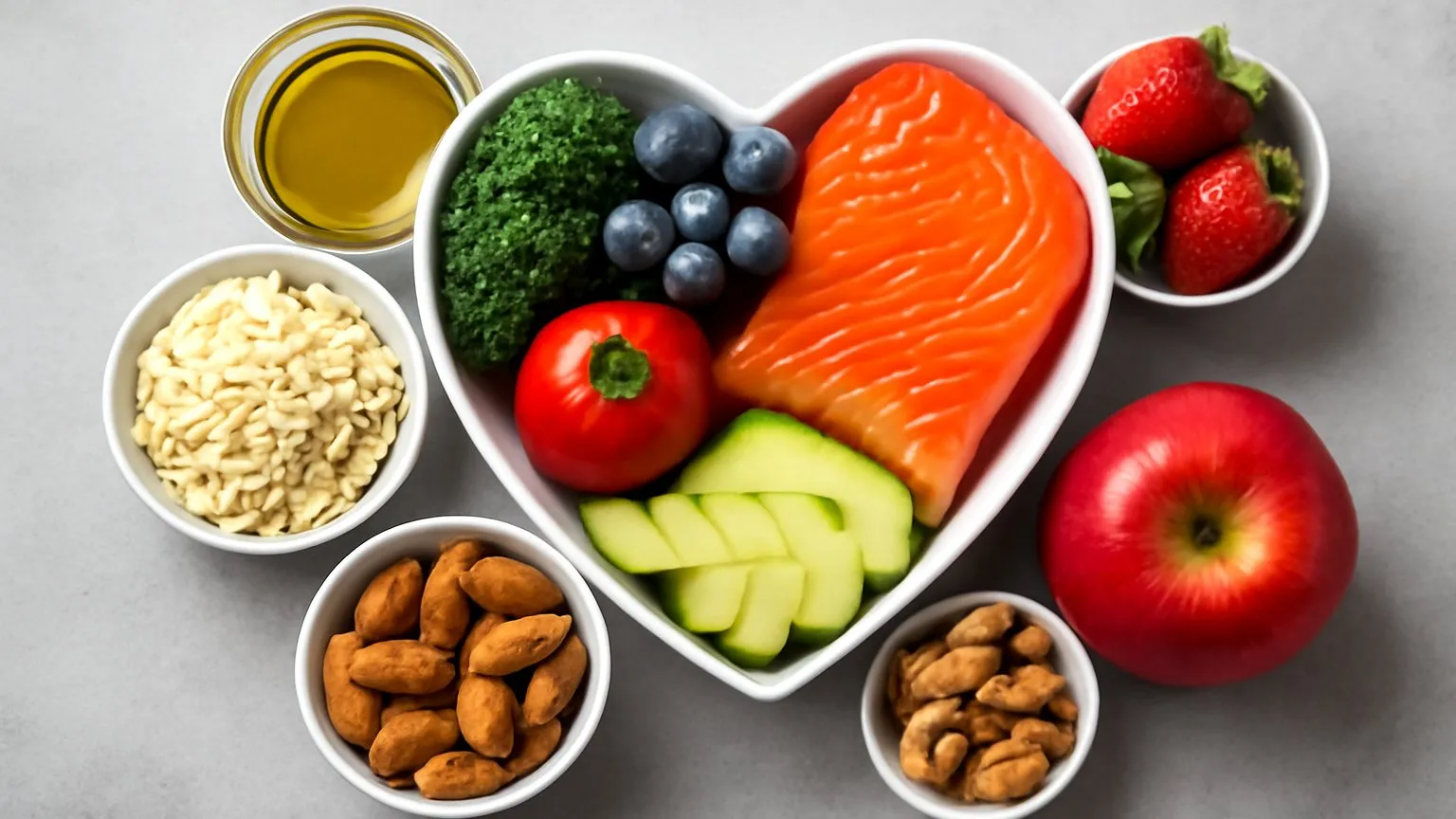
Take fatty fish, for example, a perennial favorite among athletes and health experts alike. Salmon, mackerel, and sardines are loaded with omega-3s, essential fats that lower triglycerides and help prevent arrhythmias. Nuts and seeds, especially walnuts and flaxseeds, serve as convenient, nutrient-dense snacks that support heart health through their healthy fats and magnesium content. Don’t overlook the power of colorful fruits and vegetables—berries, spinach, and beets are packed with nitrates and flavonoids that promote vascular function and enhance endurance.
| Superfood | Key Nutrients | Heart Health Benefits |
|---|---|---|
| Salmon | Omega-3 fatty acids, protein | Reduces inflammation, lowers triglycerides |
| Walnuts | Healthy fats, magnesium, antioxidants | Improves cholesterol profile, supports vascular function |
| Beets | Nitrates, folate, antioxidants | Enhances blood flow, boosts endurance |
Incorporating these superfoods into a balanced diet is a masterstroke for athletes looking to up their game while safeguarding their ticker. Beyond their individual effects, these foods work synergistically to optimize heart function, which is the engine behind every sprint, lift, and game-winning play. For those wondering how to manage cholesterol with diet, these are some of the best natural choices available—no gimmicks, just good science and great fuel.
Beyond the Basics: Lesser-Known Foods That Keep Your Heart in Peak Condition
When it comes to heart health, most people think of classics like salmon, berries, and leafy greens—but the list of heart-friendly foods runs much deeper. Beyond the usual suspects lie some lesser-known but equally powerful foods that can elevate cardiovascular performance and resilience. Take beetroot, for example. Its natural nitrates dilate blood vessels, improving blood flow and lowering blood pressure—a boon for athletes and fitness enthusiasts alike. Or consider the ancient grain quinoa, packed with fiber and magnesium, supporting a steady heartbeat and balanced blood sugar levels. These foods punch well above their weight in keeping the heart strong and agile.
Adding these less conventional foods to your meals can be a game-changer, especially when combined with well-established heart-smart staples. Flaxseeds, chia seeds, and walnuts bring omega-3 fatty acids and antioxidants that reduce inflammation and promote arterial health. For those seeking to fine-tune their diet for endurance and recovery, incorporating these foods is more than just a trend—it’s a strategic move. For a deeper understanding of how diet impacts inflammation and heart disease risk, one should explore Eating Smart: Unlocking Nature’s Secrets to gain insights on how to manage cholesterol with diet and optimize overall cardiovascular function. It’s food as a performance hack, not just sustenance.
Meal Timing and Heart Health: When to Eat for Maximum Athletic Performance
When it comes to heart health and athletic performance, timing your meals can be just as important as what you eat. Consuming the right nutrients at strategic intervals fuels your heart and muscles optimally, giving you sustained energy and better endurance. Experts recommend eating a balanced meal rich in complex carbohydrates, lean proteins, and healthy fats about 2-3 hours before exercise. This window allows the body to digest and convert food into usable energy without causing digestive discomfort. For athletes, a pre-workout snack with easily digestible carbs can boost stamina, while a post-workout meal rich in nutrients supports recovery and heart repair.
Heart-smart athletes often overlook the power of nutrient timing on immune support and inflammation reduction, which are vital for consistent training and recovery. This is why integrating foods that strengthen immunity is key; for those interested, resources covering immunity-boosting natural foods offer excellent guidance on what to prioritize. Additionally, meal timing affects cholesterol metabolism — a critical factor for heart health — and understanding how to manage cholesterol with diet goes beyond just eating the right foods. When you eat plays a powerful role too.
For peak performance, athletes should plan meals not just based on hunger but with heart health in mind. Eating smaller, nutrient-dense meals every 3-4 hours maintains energy levels and keeps metabolism steady. Hydration alongside meal timing amplifies these benefits, helping blood flow and heart function during intense activity. Ultimately, meal timing is a dynamic tool that empowers athletes to maximize their workouts and protect their hearts — a winning combo that’s easy to embrace with some thoughtful planning.
Creating a Heart-Healthy Game Plan: Practical Tips to Incorporate These Foods into Your Diet
Building a heart-healthy diet doesn’t have to feel like a slog reserved for the overly disciplined. The key lies in practical, sustainable habits that elevate both athletic performance and heart wellness. Start by swapping out processed snacks for a handful of nuts or fresh berries — simple, nutrient-packed choices that fuel muscles and protect arteries. Integrating whole grains like quinoa or oats into breakfast can sustain energy levels through grueling workouts while supporting cardiovascular strength. Remember, consistency over perfection wins in the long run.
Equally important is meal planning that respects the body’s needs and the athlete’s busy schedule. Embracing seasonal, fresh foods reduces reliance on heavy sauces and processed ingredients. For those curious about evolving dietary habits, exploring how to manage cholesterol with diet can open doors to insight on healthy fat sources and balanced meals. The growing influence of fresh trends in natural eating highlights how athletes and food lovers alike are reshaping their approach to shopping and meal preparation, making heart-wise nutrition more accessible than ever.
Lastly, hydration and portion sizes are often underestimated yet pivotal. Drinking water consistently optimizes blood flow and muscle function, while guided portion control keeps calorie intake balanced to avoid undue strain on the heart. Athletes should consider working with nutrition professionals who understand the demands of their sport to tailor these recommendations. The payoff? A heart that beats stronger, endurance that lasts longer, and performance that hits new highs. A game plan built on smart food choices is truly a winning strategy from the inside out.
Heart Health: The Athlete’s Secret Weapon
When it comes to optimizing athletic performance, the heart is far more than just a pump—it’s the engine. Feeding it smartly means fueling every beat, every stride with intention. From classic superfoods to the lesser-known nutritional heavy hitters, athletes have an arsenal at their disposal that can improve endurance, recovery, and overall cardiovascular function. But it’s not just about what you eat; timing those meals thoughtfully adds another layer of support, ensuring the heart is energized and ready to perform when it counts most.
Creating a heart-healthy game plan doesn’t demand drastic overhauls—small, consistent changes in diet can yield meaningful results. The real challenge lies in weaving these foods into daily routines in ways that feel natural and sustainable. For anyone serious about performance, understanding how to manage cholesterol with diet is a practical step that makes a world of difference, both on and off the field.
Ultimately, the foods chosen for heart health aren’t just about striking a balance of nutrients—they represent a deeper commitment to longevity, strength, and resilience. So, how will athletes — or anyone aiming for peak vitality — transform their plate today to empower their heart for tomorrow’s challenges?
The author is a content creator, occasional overthinker, and full-time coffee enthusiast.