
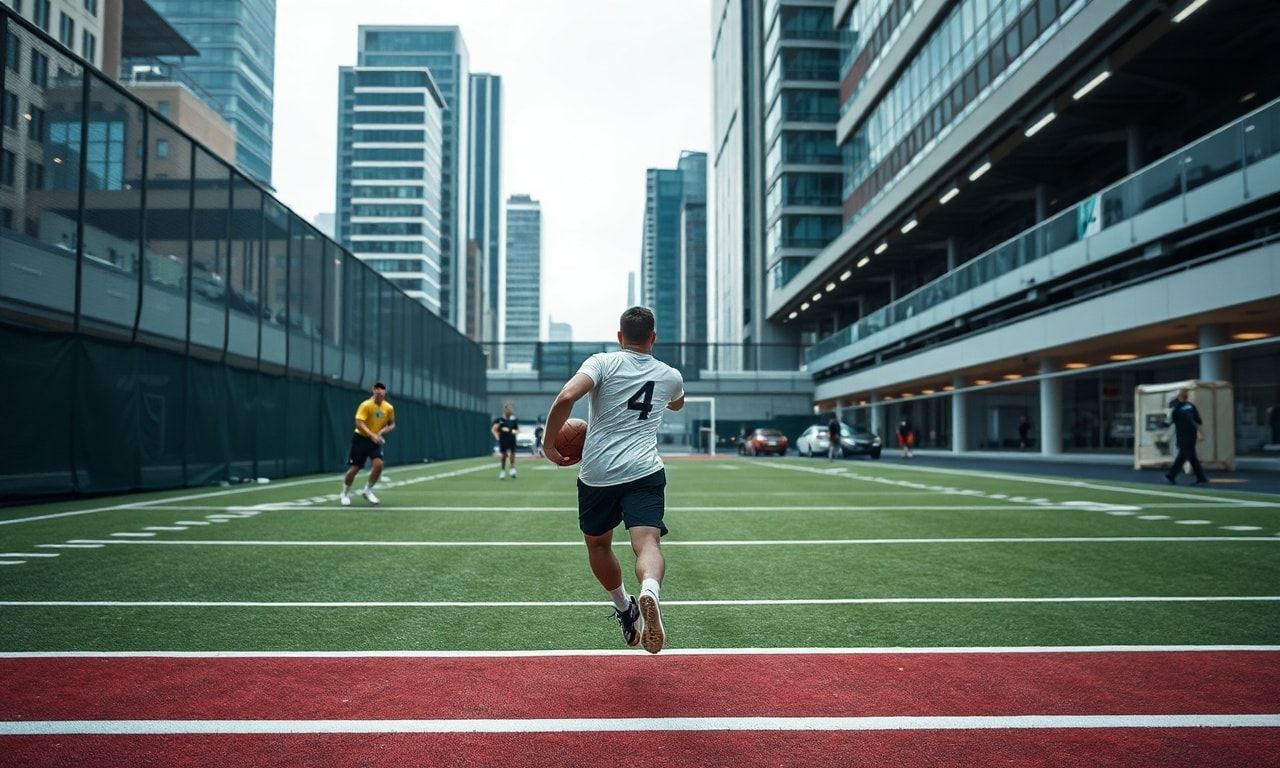
The Importance of Urban Safety in Sports
Sports, in all its forms, is a unifying force that brings communities together. Whether it’s the roar of the crowd at a local football match or the quiet determination of a runner hitting the pavement, sports thrive in safe and vibrant urban environments. However, urban safety can significantly impact the way we engage with sports, from the accessibility of sports facilities to the safety of athletes and spectators alike.
In cities around the world, the relationship between sports and urban safety is a complex one. For instance, in Stockholm, a city known for its love of outdoor activities and sports, the safety of its residents is a critical factor in the city’s sporting culture. According to Stockholm crime safety statistics, the city has made significant strides in ensuring that its residents can enjoy sports and recreational activities without the looming threat of crime. This has not only boosted participation in sports but also enhanced the overall quality of life for Stockholmers.
The Role of Urban Planning in Sports Safety
Urban planning plays a pivotal role in creating safe environments for sports. Well-lit streets, secure parking lots, and easily accessible sports facilities are just a few examples of how urban planning can enhance sports safety. In many cities, the integration of sports facilities into residential areas has been a game-changer. This approach ensures that residents have easy access to places where they can engage in physical activities, thereby promoting a healthier lifestyle.
Moreover, the design of sports facilities themselves can contribute to safety. For example, the use of high-quality materials, proper lighting, and secure entry points can deter criminal activity and ensure that athletes and spectators feel safe. In cities like Stockholm, the emphasis on creating safe and inclusive sports environments has been a key factor in the city’s success in promoting sports and physical activity.
Case Study: Stockholm’s Approach to Sports Safety
Stockholm’s approach to sports safety is a testament to the city’s commitment to creating a safe and vibrant urban environment. The city has invested heavily in infrastructure that supports sports and recreational activities, from well-maintained parks to state-of-the-art sports facilities. This investment has not only improved the safety of these spaces but has also encouraged more residents to participate in sports and physical activities.
Additionally, Stockholm’s focus on community engagement has been instrumental in enhancing sports safety. By involving residents in the planning and maintenance of sports facilities, the city has created a sense of ownership and responsibility among its residents. This community-centric approach has not only improved the safety of these spaces but has also fostered a sense of pride and belonging among Stockholmers.
The Impact of Urban Safety on Sports Participation
Urban safety has a direct impact on sports participation. When residents feel safe, they are more likely to engage in physical activities and sports. This is particularly important in cities with high crime rates, where the fear of crime can deter residents from participating in sports and recreational activities.
In cities like Stockholm, the emphasis on urban safety has led to a significant increase in sports participation. According to Stockholm crime safety statistics, the city has seen a steady rise in the number of residents engaging in sports and physical activities. This increase in participation has not only improved the health and well-being of Stockholmers but has also fostered a sense of community and social cohesion.
Promoting Sports Safety Through Community Initiatives
Community initiatives play a crucial role in promoting sports safety. By involving residents in the planning and maintenance of sports facilities, cities can create a sense of ownership and responsibility among their residents. This community-centric approach not only improves the safety of these spaces but also fosters a sense of pride and belonging among residents.
In Stockholm, community initiatives have been instrumental in promoting sports safety. The city’s focus on community engagement has not only improved the safety of sports facilities but has also encouraged more residents to participate in sports and physical activities. This community-centric approach has been a key factor in the city’s success in promoting sports and physical activity.
Conclusion
The intersection of sports and urban safety is a complex and multifaceted issue. However, cities like Stockholm have shown that by prioritizing urban safety and investing in community-centric initiatives, it is possible to create safe and vibrant environments that promote sports and physical activity. As we look to the future, it is clear that urban safety will continue to play a crucial role in shaping the way we engage with sports and physical activity.
By prioritizing urban safety and investing in community-centric initiatives, cities can create environments that promote sports and physical activity. This not only improves the health and well-being of residents but also fosters a sense of community and social cohesion. As we look to the future, it is clear that urban safety will continue to play a crucial role in shaping the way we engage with sports and physical activity.