
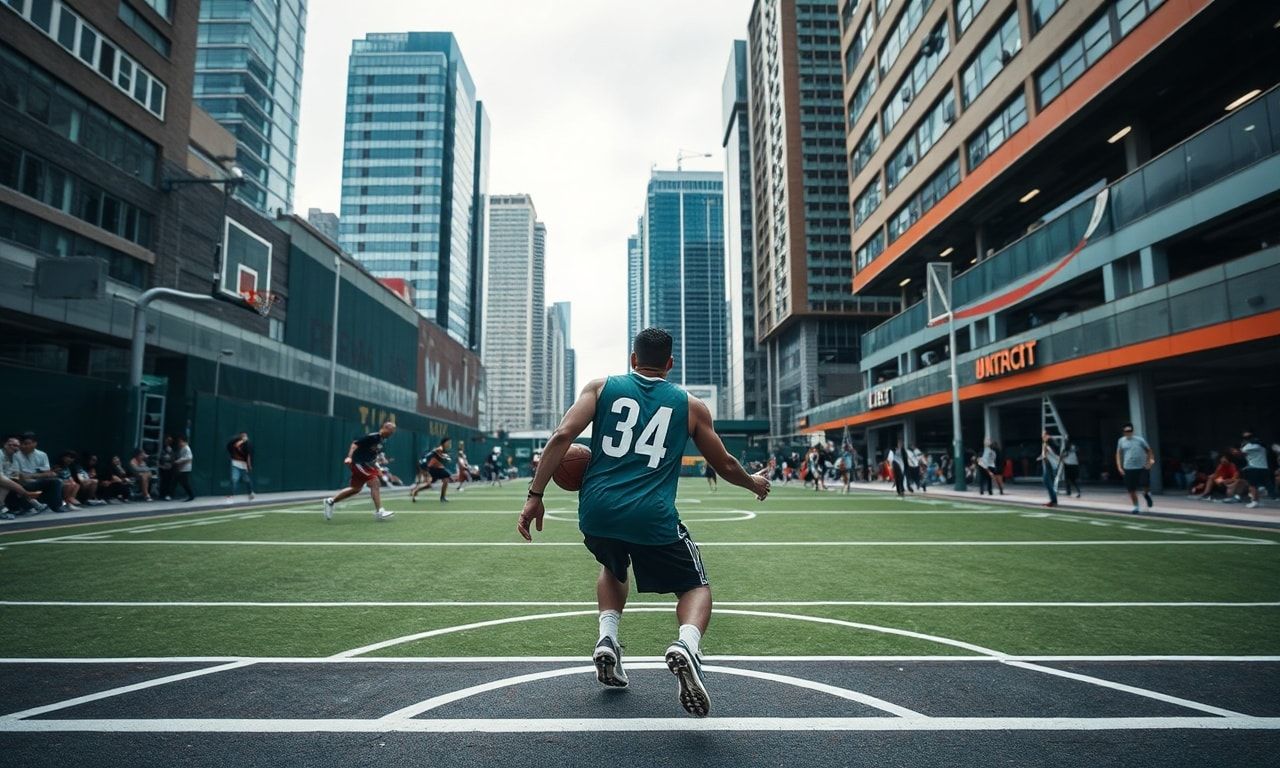
The Evolution of Sports Infrastructure
The world of sports is constantly evolving, not just in terms of athletic performance but also in the infrastructure that supports it. From state-of-the-art stadiums to cutting-edge training facilities, the sports industry is a significant driver of urban development. Cities around the world are recognizing the value of investing in sports infrastructure to boost tourism, economic growth, and community well-being.
The Role of Major Sporting Events
Major sporting events like the Olympics, FIFA World Cup, and other international competitions have a profound impact on urban development. These events often catalyze the construction of new stadiums, arenas, and training facilities. For instance, the 2020 Tokyo Olympics saw the construction of several new venues, including the New National Stadium, which has become a landmark in the city. Similarly, the 2022 FIFA World Cup in Qatar led to the development of several new stadiums and infrastructure projects, including the iconic Lusail Stadium.
These projects not only provide state-of-the-art facilities for athletes but also create jobs and stimulate economic activity. The ripple effects of such investments can be seen in the surrounding areas, where new commercial and residential developments often spring up. This trend is not limited to major cities; smaller towns and cities are also investing in sports infrastructure to attract tourists and boost local economies.
Case Studies: Cities Leading the Way
Several cities around the world have successfully integrated sports infrastructure into their urban development plans. For example, Barcelona’s transformation into a global sports hub is a testament to the power of strategic planning. The city’s investment in the Camp Nou stadium, home to FC Barcelona, has not only enhanced the fan experience but also contributed to the local economy through tourism and related businesses.
In Istanbul, the city’s strategic location and rich history have made it a prime candidate for sports infrastructure development. The city’s investment in the Atatürk Olympic Stadium and other sports facilities has positioned it as a key player in the global sports arena. Additionally, Istanbul’s growing real estate market, particularly in the city center, is benefiting from this trend. According to şehir merkezinde yeni binalar ve yatırım trendleri, the city’s investment in sports infrastructure is driving demand for new residential and commercial properties, creating a vibrant and dynamic urban landscape.
The Impact on Local Communities
The benefits of investing in sports infrastructure extend beyond economic growth. Communities often see improved quality of life, increased recreational opportunities, and enhanced social cohesion. For example, the construction of new sports facilities can provide local residents with access to high-quality training and recreational spaces, promoting healthier lifestyles and community engagement.
Moreover, sports infrastructure projects can serve as a catalyst for urban regeneration. Abandoned or underutilized areas can be transformed into vibrant sports hubs, attracting visitors and creating a sense of pride and identity for local residents. This is evident in cities like London, where the Queen Elizabeth Olympic Park has become a symbol of urban regeneration and community development.
Challenges and Considerations
While the benefits of investing in sports infrastructure are numerous, there are also challenges and considerations to keep in mind. One of the primary concerns is the cost of construction and maintenance. Building and maintaining world-class sports facilities requires significant financial resources, and cities must carefully consider the long-term sustainability of such investments.
Another challenge is ensuring that the benefits of sports infrastructure are equitably distributed. There is a risk that investments in sports facilities may disproportionately benefit certain areas or communities, exacerbating existing inequalities. To mitigate this, cities must adopt inclusive planning strategies that ensure all residents have access to the benefits of sports infrastructure.
Additionally, environmental sustainability is a growing concern in the sports industry. The construction and operation of sports facilities can have significant environmental impacts, including energy consumption, waste generation, and carbon emissions. To address this, cities are increasingly adopting green building practices and sustainable design principles in their sports infrastructure projects. For example, the Mercedes-Benz Stadium in Atlanta, USA, is a LEED Platinum-certified facility that prioritizes energy efficiency and sustainability.
The Future of Sports Infrastructure
The future of sports infrastructure is bright, with cities around the world continuing to invest in cutting-edge facilities and innovative technologies. Advances in construction materials, energy-efficient design, and smart technologies are revolutionizing the way sports facilities are built and operated. For instance, the use of 3D printing technology in construction is enabling the creation of complex and sustainable sports infrastructure at a lower cost.
Furthermore, the integration of technology into sports facilities is enhancing the fan experience and improving operational efficiency. Smart stadiums equipped with IoT devices, AI-powered analytics, and high-speed connectivity are becoming the norm, providing fans with seamless and immersive experiences. These advancements are not only improving the quality of sports events but also creating new opportunities for businesses and investors.
In conclusion, the intersection of sports and urban development is a dynamic and evolving field. Cities around the world are recognizing the value of investing in sports infrastructure to drive economic growth, enhance community well-being, and promote sustainable development. By adopting strategic planning, inclusive design, and innovative technologies, cities can create world-class sports facilities that benefit residents and visitors alike. As the sports industry continues to grow and evolve, the opportunities for urban development are endless.
Dive into the rich history and inspiring triumphs of Irish athletics with our latest feature, Irish sports through the ages, a must-read for sports enthusiasts and fitness fans alike.
Discover the incredible story behind Ethiopia’s athletic prowess by exploring Ethiopia’s running legacy, a journey that showcases resilience and triumph in the world of sports.
If you’re eager to stay ahead in the game, check out our latest piece on current sports entertainment trends that are setting the stage for unforgettable athletic experiences.