
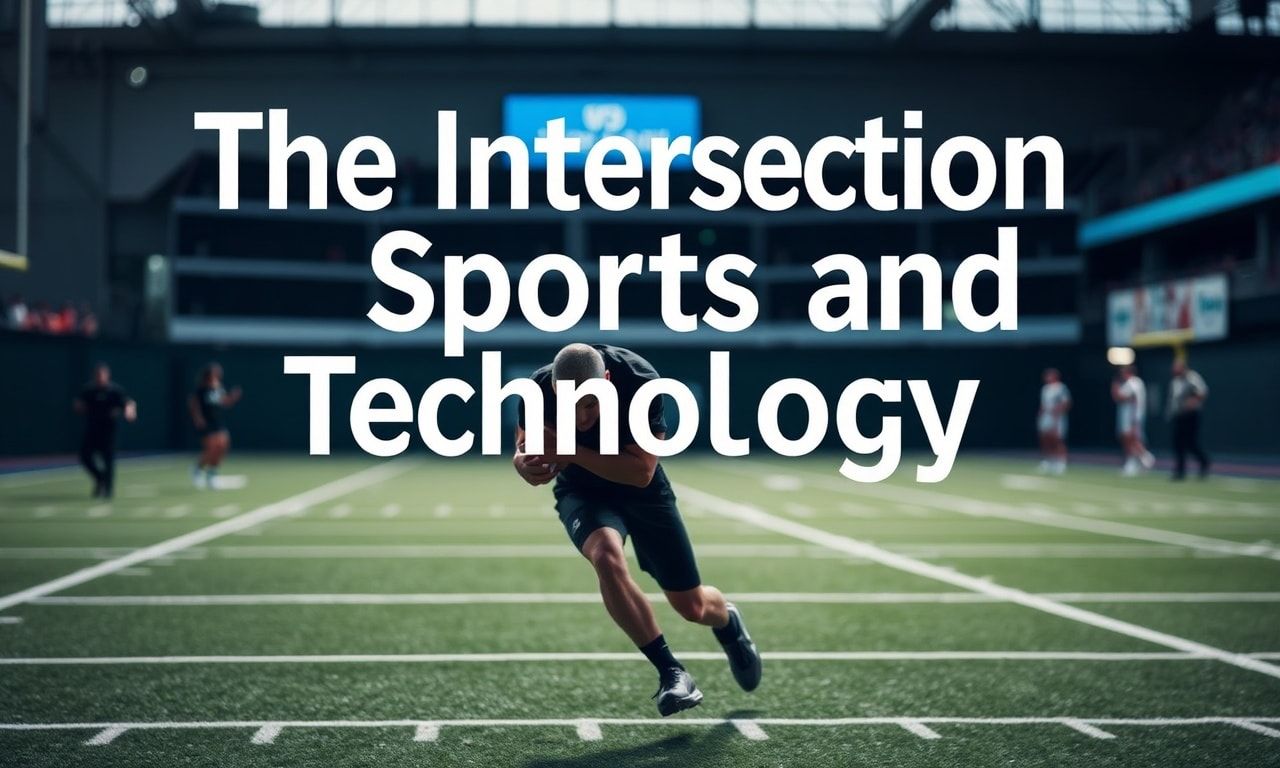
The Evolution of Sports Technology
The world of sports has always been a playground for innovation. From the first rubber-soled shoes to the latest in wearable technology, athletes have constantly sought ways to gain a competitive edge. Today, technology is more integrated into sports than ever before. It’s not just about enhancing performance; it’s about revolutionizing the way we train, compete, and recover.
Wearable Technology: The New Training Partner
Wearable technology has become a staple in the lives of professional and amateur athletes alike. Devices like smartwatches, fitness trackers, and even smart clothing are providing real-time data on performance metrics such as heart rate, speed, and calorie burn. These tools allow athletes to monitor their progress, identify areas for improvement, and tailor their training regimens accordingly. For example, a runner can use a smartwatch to track their pace and distance, adjusting their training to meet specific goals. This level of personalization was unthinkable just a few decades ago.
Moreover, wearable technology is not just for individual sports. Team sports like football, basketball, and soccer are also benefiting from these advancements. Coaches can use data from wearable devices to make informed decisions about player conditioning, strategy, and even injury prevention. The insights gained from these technologies can mean the difference between a winning season and a losing one.
The Role of Data Analytics
Data analytics is another area where technology is making a significant impact. Teams and athletes are now using advanced analytics to gain a deeper understanding of their performance. By analyzing data from games, practices, and training sessions, coaches and athletes can identify patterns and trends that were previously overlooked. This information can be used to develop more effective strategies, improve individual skills, and enhance overall team performance.
For instance, in baseball, teams are using data analytics to optimize their lineups, predict opponent strategies, and even decide when to bring in relief pitchers. In basketball, analysts are using data to determine the best shooting positions, defensive strategies, and player matchups. The use of data analytics is not limited to professional sports; amateur athletes and recreational players are also benefiting from these advancements. Websites like automotive news today often feature stories on how data analytics is transforming the sports world, providing valuable insights for fans and athletes alike.
Virtual Reality and Simulation Training
Virtual reality (VR) and simulation training are also playing a significant role in the world of sports. These technologies allow athletes to practice in a controlled environment, simulating game situations and scenarios that would be difficult or impossible to replicate in real life. For example, a quarterback can use VR to practice reading defenses and making split-second decisions without the risk of injury. Similarly, a soccer player can use simulation training to improve their dribbling and shooting skills.
VR and simulation training are not just for individual sports. Team sports are also benefiting from these technologies. Coaches can use VR to create realistic game scenarios, allowing players to practice their strategies and tactics in a virtual environment. This type of training can help teams prepare for upcoming games, identify potential weaknesses, and develop more effective game plans.
The Future of Sports Technology
The future of sports technology is bright and full of possibilities. As technology continues to evolve, we can expect to see even more innovations that will revolutionize the way we play and watch sports. From advanced wearable devices to sophisticated data analytics tools, the possibilities are endless. One area that shows great promise is the use of artificial intelligence (AI) in sports.
AI has the potential to transform the way we analyze and interpret sports data. By using machine learning algorithms, coaches and athletes can gain deeper insights into their performance, identify patterns and trends, and make more informed decisions. AI can also be used to develop personalized training programs, optimize nutrition and recovery strategies, and even predict injuries before they occur.
Another area that is gaining traction is the use of biometric sensors. These devices can monitor a wide range of physiological parameters, such as heart rate, muscle activity, and even brain waves. By analyzing this data, coaches and athletes can gain a better understanding of their physical and mental state, allowing them to make adjustments to their training and competition strategies.
The Impact on Fan Engagement
Technology is not only transforming the way athletes train and compete but also how fans engage with sports. With the rise of social media, streaming services, and interactive apps, fans have more access to sports content than ever before. They can watch games live, follow their favorite teams and players on social media, and even participate in fantasy sports leagues. This increased engagement has led to a more immersive and interactive sports experience for fans.
Moreover, technology is making it easier for fans to connect with each other. Social media platforms like Twitter, Facebook, and Instagram allow fans to share their thoughts, opinions, and experiences with a global audience. This sense of community and connection is enhancing the overall sports experience, making it more enjoyable and engaging for fans.
In conclusion, the intersection of sports and technology is creating a new era of athletic performance. From wearable technology to data analytics, VR to AI, the possibilities are endless. As technology continues to evolve, we can expect to see even more innovations that will revolutionize the way we play and watch sports. For athletes, coaches, and fans alike, the future of sports is bright and full of exciting possibilities.
Dive into the fascinating journey of soccer’s global expansion with our latest feature, football’s worldwide transformation, and discover how the beautiful game has captivated hearts across continents.
For a deeper understanding of this topic, Kişisel Finanslarınizi Kontrol Altina Almak İçin offers valuable insights worth exploring.
You may also find The Intersection of Sports and Nutrition: helpful as it covers related aspects of this subject.