
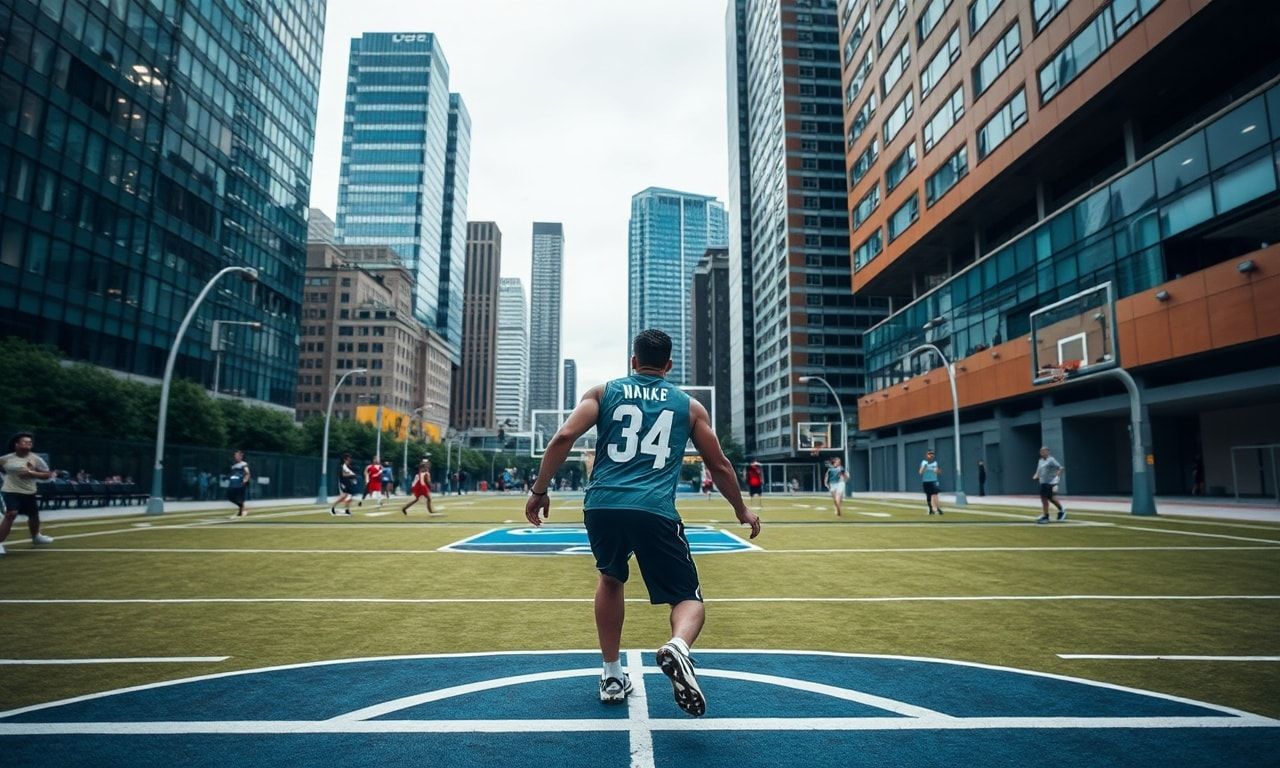
The Dynamic Relationship Between Sports and Urban Environments
In the realm of sports, the influence of urban environments is often overlooked. However, cities play a pivotal role in shaping athletic excellence, from providing state-of-the-art facilities to fostering a culture of fitness and competition. The interplay between sports and urban development is a fascinating subject that deserves closer examination. As cities evolve, so too does the landscape of sports, creating a symbiotic relationship that drives progress in both areas.
The Role of Infrastructure in Sports Development
One of the most significant ways cities impact sports is through infrastructure. High-quality sports facilities, such as stadiums, gyms, and training centers, are essential for athlete development and competition. Cities that invest in these infrastructures not only attract top talent but also inspire local communities to engage in sports. For instance, the construction of a new stadium can revitalize a neighborhood, creating a hub for athletic activity and community gatherings. Additionally, urban planners are increasingly incorporating sports facilities into public spaces, making fitness more accessible to residents.
Urban Design and Active Lifestyles
Urban design plays a crucial role in promoting active lifestyles. Cities that prioritize walkability, bike lanes, and green spaces encourage residents to engage in physical activity. For example, cities like Copenhagen and Amsterdam have become global leaders in promoting cycling as a primary mode of transportation, which has led to healthier populations and a stronger sports culture. Furthermore, the integration of parks and recreational areas into urban landscapes provides opportunities for outdoor sports and fitness activities, fostering a culture of health and wellness.
For the latest updates on urban development and architecture, be sure to check out edinburgh architecture news updates. Understanding the trends in urban design can provide valuable insights into how cities are adapting to support athletic endeavors.
The Impact of Sports Events on Urban Growth
Hosting major sports events can have a profound impact on urban growth. Cities that successfully bid for and host events like the Olympics or World Cups often experience significant economic and social benefits. These events can lead to infrastructure improvements, increased tourism, and a boost in local pride. Moreover, the global attention brought by sports events can enhance a city’s reputation, attracting new businesses and residents. However, it is essential for cities to plan carefully to ensure that the long-term benefits outweigh the short-term costs.
Case Studies: Cities Leading the Way in Sports and Urban Development
Several cities around the world serve as excellent examples of how urban development can enhance sports culture. Barcelona, for instance, has become a model for integrating sports into urban planning. The city’s commitment to public spaces and sports facilities has made it a hub for athletic excellence. Similarly, London’s investment in sports infrastructure ahead of the 2012 Olympics has left a lasting legacy, with many facilities continuing to serve the community.
Another notable example is Tokyo, which has consistently pushed the boundaries of urban sports development. The city’s preparation for the 2020 Olympics showcased innovative approaches to infrastructure and sustainability, setting a new standard for future host cities. These case studies highlight the potential for cities to leverage sports as a catalyst for urban renewal and community engagement.
The Future of Sports and Urban Development
As we look to the future, the relationship between sports and urban development is poised to become even more intertwined. Advances in technology, such as smart cities and wearable fitness devices, are creating new opportunities for urban planners and sports organizations to collaborate. For example, smart cities can use data to optimize sports facilities and promote active lifestyles, while wearable technology can provide athletes with real-time feedback to enhance performance.
Additionally, the growing emphasis on sustainability is driving cities to adopt eco-friendly practices in sports infrastructure. Green stadiums, solar-powered facilities, and sustainable materials are becoming increasingly common, reflecting a broader commitment to environmental responsibility. This trend not only benefits the planet but also enhances the overall quality of life for residents.
In conclusion, the intersection of sports and urban development is a dynamic and evolving field. Cities that prioritize sports infrastructure, active lifestyles, and sustainable practices are well-positioned to foster athletic excellence and community well-being. As urban environments continue to evolve, the potential for sports to drive positive change will only grow, creating a brighter future for athletes and residents alike.
If you’re curious about how urban planning impacts our athletic spaces and events, dive into Edinburgh’s governance insights for a fascinating perspective.
Dive into the thrilling world of women’s football and discover how it’s become a global sensation in the beautiful game’s rise, a must-read for any sports enthusiast.