
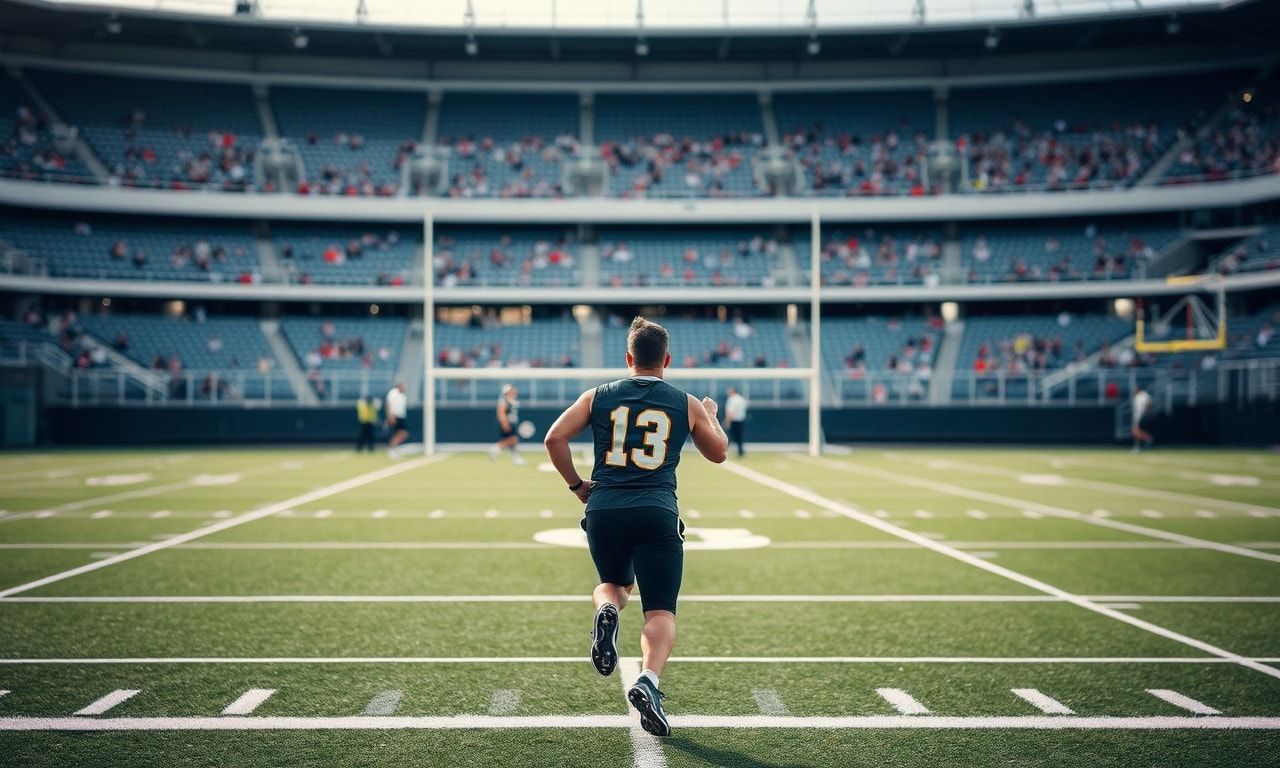
The Power of Sports in Shaping Personal Growth
Sports have always been more than just physical activities; they are a crucible for personal development. Athletes often exhibit traits such as discipline, resilience, and teamwork, which are honed through their sporting endeavors. These qualities are not only essential for success in sports but also translate into various aspects of life. Whether it’s overcoming adversity, setting and achieving goals, or maintaining a positive mindset, sports provide a unique platform for personal growth.
The Role of Mental Toughness in Sports
Mental toughness is a cornerstone of athletic success. The ability to perform under pressure, stay focused, and bounce back from setbacks is what separates good athletes from great ones. This mental fortitude is not innate; it is cultivated through rigorous training, self-discipline, and a commitment to continuous improvement. Athletes often engage in mental conditioning exercises, such as visualization and mindfulness, to enhance their performance. These practices not only benefit their athletic careers but also contribute to their overall well-being and personal development.
Team Dynamics and Leadership in Sports
Team sports, in particular, offer invaluable lessons in leadership and collaboration. Athletes learn to work together towards a common goal, communicate effectively, and support one another. These skills are crucial in any professional setting. Leaders on the field often exhibit qualities such as decisiveness, empathy, and the ability to inspire others. These traits are not only beneficial in sports but also in personal development books recommended for aspiring leaders. Understanding the dynamics of teamwork and leadership can significantly enhance an athlete’s personal and professional life.
The Importance of Goal Setting in Sports
Setting and achieving goals is a fundamental aspect of sports. Athletes constantly strive to improve their performance, whether it’s breaking a personal record, winning a championship, or mastering a new skill. This goal-oriented approach fosters a sense of purpose and direction. It teaches athletes the importance of planning, perseverance, and self-motivation. These skills are transferable to other areas of life, helping individuals to set and achieve their personal and professional goals. Goal setting is a powerful tool for personal development, and athletes are well-versed in its application.
Balancing Sports and Personal Life
While sports can be all-consuming, it is essential for athletes to maintain a balance between their athletic pursuits and personal life. This balance ensures that they do not neglect their relationships, health, and personal interests. Athletes often face unique challenges, such as managing time effectively, dealing with stress, and maintaining a healthy lifestyle. By learning to balance these aspects, athletes can lead fulfilling lives both on and off the field. This holistic approach to personal development is crucial for long-term success and happiness.
Conclusion
The intersection of sports and personal development is a rich and dynamic area. Athletes gain invaluable skills and qualities through their sporting endeavors that contribute to their personal growth. From mental toughness and team dynamics to goal setting and balancing personal life, sports offer a unique platform for holistic development. By embracing these lessons, athletes can excel not only in their chosen sport but also in all aspects of their lives.
As athletes and teams increasingly rely on tech to connect, discover how it’s reshaping relationships in our fast-paced world with modern communication in sports.
In the spirit of pushing boundaries and fostering community, check out urban greening’s global impact and how it’s redefining cityscapes worldwide.
Discover how Düsseldorf is enhancing athletic performance with groundbreaking mindfulness initiatives in our feature innovative sports wellness programs.