
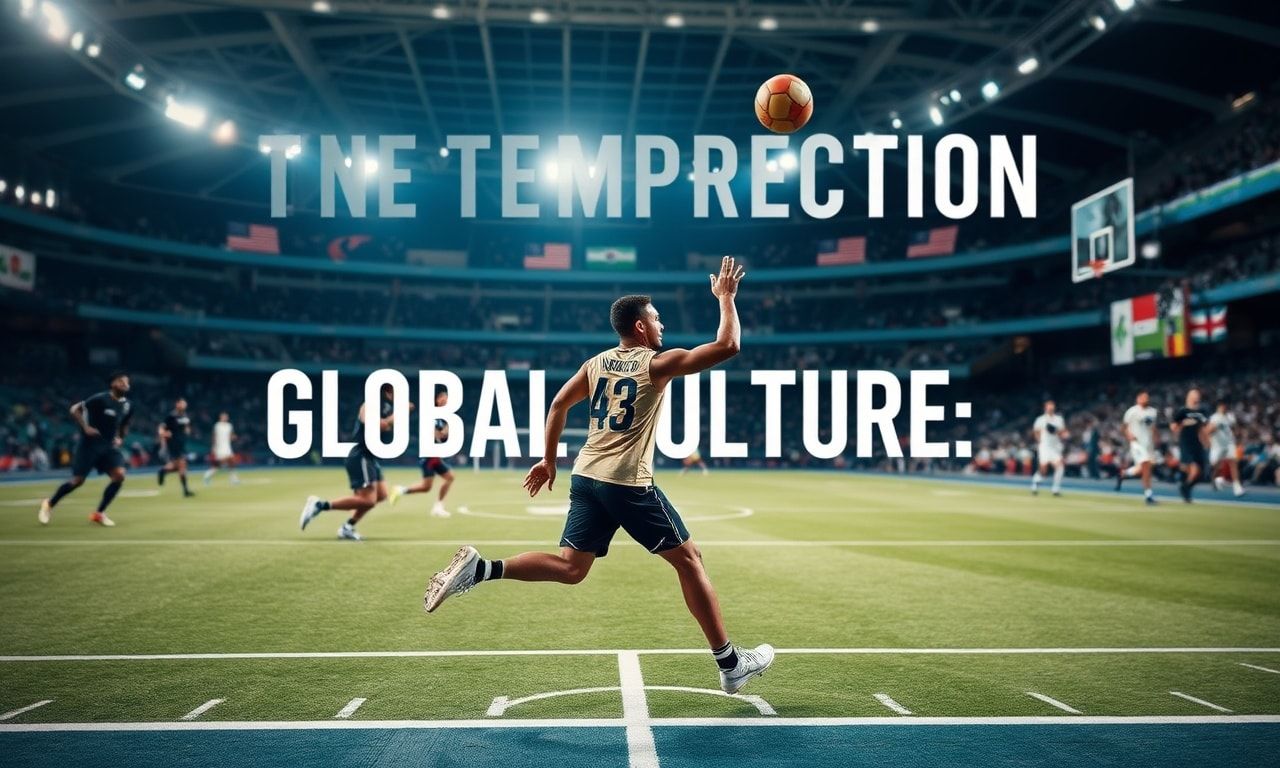
The Global Stage of Sports
Sports have always been a universal language, transcending borders and cultures. Whether it’s the roar of the crowd at a football match in Europe, the rhythmic cheers at a baseball game in the USA, or the synchronized applause at a gymnastics competition in Asia, sports bring people together. This global appeal has made sports a powerful platform for cultural exchange and international cooperation.
Sports as a Cultural Ambassador
The influence of sports extends beyond the playing field. Athletes often become cultural ambassadors, showcasing their country’s values, traditions, and heritage. For instance, the Olympics is not just a competition but a celebration of global unity and diversity. Similarly, international sports events like the FIFA World Cup or the Rugby World Cup provide a stage for cultural display, from traditional dances to local cuisines.
In recent years, there has been a growing trend of sports events collaborating with cultural festivals. One notable example is the partnership between sports events and film festivals. The 北京电影节国际合作 is a testament to this synergy, where sports and cinema come together to create a unique cultural experience. This collaboration not only enhances the viewer experience but also promotes cross-cultural understanding and appreciation.
The Role of Media in Promoting Sports Culture
The media plays a pivotal role in promoting sports culture globally. Through live broadcasts, documentaries, and social media, the media brings sports events to a global audience, making them accessible to millions. This exposure helps in popularizing sports, inspiring young talents, and fostering a sense of global community.
Moreover, the media also highlights the cultural aspects of sports. For example, documentaries often explore the history and traditions associated with different sports, providing viewers with a deeper understanding and appreciation of the sport’s cultural significance. Social media platforms, on the other hand, offer a space for fans to engage with their favorite athletes, share their experiences, and celebrate their cultural heritage.
Sports Tourism: A Cultural Exchange
Sports tourism is another area where sports and culture intersect. Fans often travel to different countries to watch their favorite teams or athletes compete. This not only boosts the local economy but also promotes cultural exchange. Visitors get to experience the local culture, try local cuisines, and interact with locals, fostering mutual understanding and respect.
Furthermore, sports tourism also provides an opportunity for athletes to experience different cultures. This exposure can broaden their perspectives, enhance their understanding of different cultures, and promote cultural diplomacy. For instance, athletes participating in international sports events often engage in cultural activities, such as visiting local landmarks, attending cultural performances, and interacting with local communities.
Conclusion: The Power of Sports in Uniting Cultures
In conclusion, sports have a unique power to unite people from different cultures and backgrounds. Through international competitions, cultural collaborations, media exposure, and sports tourism, sports promote cultural exchange, understanding, and appreciation. As we continue to celebrate the global appeal of sports, let us also embrace the cultural diversity that it brings, for it is in our differences that we find our common humanity.
Dive into the thrilling world of athletics with our latest feature, athletes’ inspiring journeys, and discover what drives these extraordinary competitors to greatness.
Readers interested in this subject may also want to explore الاستثمار في العقارات: دليل شامل للمبتدئين for additional perspectives.
You may also find The Intersection of Sports and Wellness: helpful as it covers related aspects of this subject.