
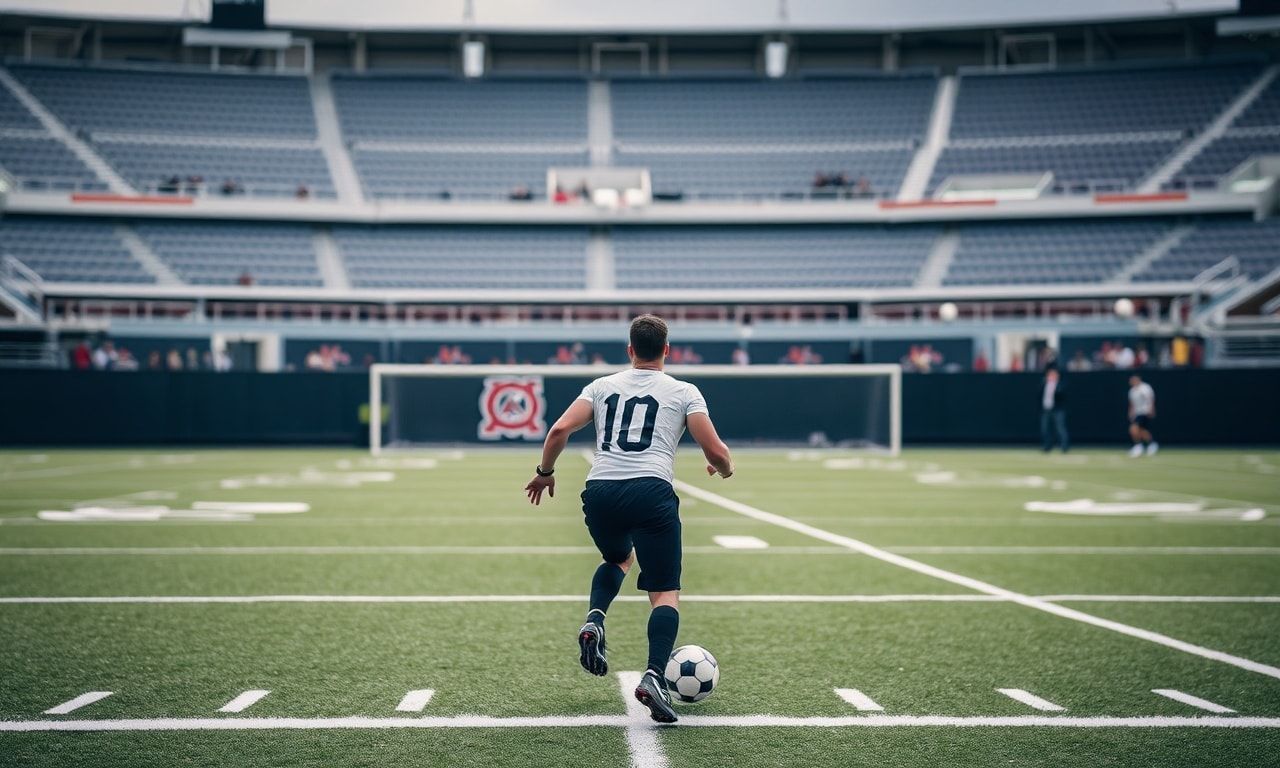
The Evolving Landscape of Sports Careers
The world of sports is not just about physical prowess and competitive spirit; it’s also about strategic career planning and continuous personal development. Athletes today are increasingly recognizing the importance of planning for life beyond their sports careers. Whether you’re a professional athlete, a fitness enthusiast, or a sports team analyst, understanding how to navigate your career path can be just as crucial as mastering your sport.
Balancing Athletic Pursuits with Career Goals
For many athletes, the journey to success is a delicate balance between training, competing, and planning for the future. The rigors of athletic training often leave little time for other pursuits, but with the right strategies, it’s possible to excel in both areas. One of the key aspects of this balance is effective time management. Athletes can benefit from setting clear, achievable goals and creating a structured schedule that allocates time for training, competition, and career development activities.
Additionally, athletes can leverage their unique skills and experiences to build a strong foundation for their future careers. Skills such as discipline, teamwork, and resilience are highly transferable and can be valuable in a wide range of industries. By identifying these transferable skills and highlighting them in their career planning, athletes can open up a world of opportunities beyond their sports careers.
The Role of Education and Training
Education and continuous learning play a pivotal role in career development for athletes. Many athletes choose to pursue higher education while still active in their sports careers. This not only provides them with a formal qualification but also equips them with the knowledge and skills needed to transition into new roles after retirement. Online learning platforms and flexible study options make it easier for athletes to balance their academic pursuits with their athletic commitments.
Furthermore, athletes can benefit from specialized training programs and workshops designed to enhance their career prospects. These programs often focus on areas such as leadership, communication, and project management, providing athletes with the tools they need to succeed in the corporate world. By investing in their education and training, athletes can position themselves for long-term success and ensure a smooth transition into their post-athletic careers.
Exploring Career Opportunities in Sports
The sports industry offers a wide range of career opportunities beyond the playing field. Athletes can explore roles in coaching, sports management, sports journalism, and sports marketing, among others. These roles allow athletes to stay connected to the sports world while leveraging their unique insights and experiences to make a meaningful impact.
For those interested in freelance career planning and advancement, the sports industry provides numerous opportunities. Athletes can work as freelance writers, consultants, or social media influencers, sharing their expertise and insights with a global audience. Websites like freelance career planning and advancement can be valuable resources for athletes looking to explore freelance opportunities in the sports industry. By leveraging their personal brand and network, athletes can build successful freelance careers that align with their passions and interests.
Networking and Mentorship
Networking and mentorship are essential components of career development for athletes. Building a strong professional network can open doors to new opportunities and provide valuable support throughout an athlete’s career. Athletes can connect with industry professionals, fellow athletes, and mentors who can offer guidance and advice on navigating the complexities of the sports industry.
Mentorship programs are particularly valuable for athletes looking to transition into new careers. Experienced mentors can provide insights into the industry, help athletes develop their skills, and offer support as they navigate the challenges of career transition. By seeking out mentorship opportunities, athletes can gain a competitive edge and position themselves for long-term success.
Embracing Technology and Innovation
The sports industry is continually evolving, driven by advancements in technology and innovation. Athletes can stay ahead of the curve by embracing new technologies and leveraging them to enhance their performance and career prospects. From wearable technology to data analytics, athletes have access to a wealth of tools and resources that can help them achieve their goals.
Additionally, athletes can use technology to build their personal brand and connect with fans. Social media platforms, blogs, and podcasts provide athletes with a powerful platform to share their stories, insights, and expertise with a global audience. By leveraging these tools, athletes can build a strong personal brand and create new opportunities for career advancement.
Conclusion
In conclusion, the intersection of sports and career development offers a wealth of opportunities for athletes looking to excel beyond the field. By balancing their athletic pursuits with strategic career planning, athletes can position themselves for long-term success and ensure a smooth transition into their post-athletic careers. Whether through education, networking, mentorship, or embracing technology, athletes have the tools and resources they need to build successful and fulfilling careers in the sports industry and beyond.
To elevate your athletic performance and daily life, dive into tips for a better lifestyle and discover practical ways to enhance your routine.
Discover the driving forces behind athletic success by exploring the power of discipline and passion in sports.
Discover how the rise of digital work is transforming the game for freelancers and athletes alike in the new era of remote work, offering fresh opportunities to stay ahead in the fitness and sports industry.