
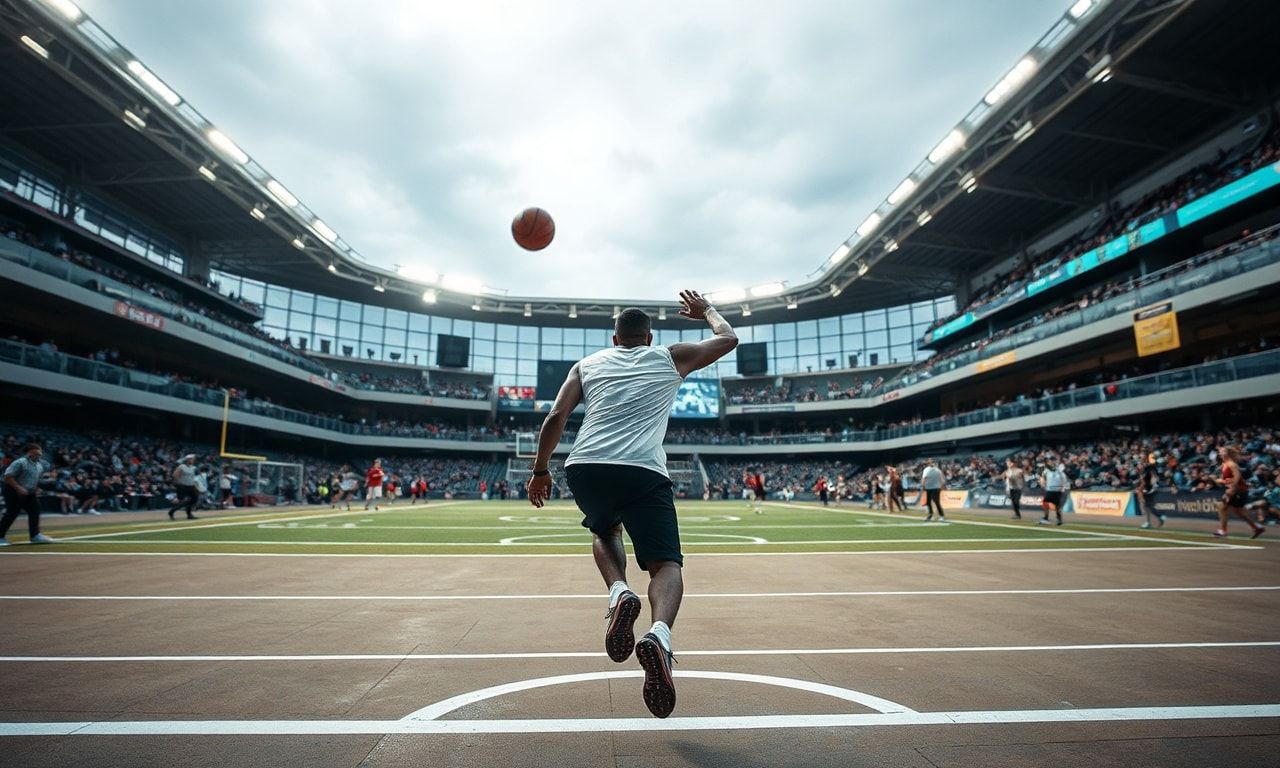
The Rise of Urban Sports
Urban sports have transcended their humble beginnings to become a global phenomenon. What started as informal games played on city streets has evolved into a multi-billion-dollar industry, complete with professional leagues, international competitions, and a dedicated fan base. This transformation reflects the dynamic nature of sports and the ever-changing landscape of urban environments.
The appeal of urban sports lies in their accessibility and inclusivity. Unlike traditional sports that often require specialized equipment and facilities, urban sports can be played almost anywhere. This democratization of sports has led to a surge in participation, particularly among young people in urban areas. Cities around the world are now investing in infrastructure to support these activities, recognizing their potential to promote health, community engagement, and economic development.
The Impact of Urban Sports on Fitness
Urban sports have revolutionized the way people approach fitness. Traditional gym workouts are being complemented, if not replaced, by more engaging and socially interactive activities. Sports like parkour, street basketball, and urban cycling offer a full-body workout while also fostering a sense of community among participants. These activities encourage people to step out of their comfort zones and embrace a more active lifestyle.
Moreover, urban sports often incorporate elements of agility, strength, and endurance, making them an effective way to stay fit. For instance, parkour, which involves navigating urban landscapes through running, jumping, and climbing, requires a high level of physical fitness and mental focus. Similarly, street basketball demands quick reflexes, strategic thinking, and teamwork, providing a comprehensive workout that targets multiple muscle groups.
The Role of Technology in Urban Sports
Technology has played a pivotal role in the growth of urban sports. Social media platforms have enabled athletes to share their achievements, connect with like-minded individuals, and gain a global audience. Apps and websites dedicated to urban sports provide resources for training, competition schedules, and community events, making it easier for enthusiasts to get involved. Additionally, wearable technology has allowed athletes to track their performance, set goals, and monitor their progress, enhancing their overall training experience.
In cities like Berlin, the integration of technology into urban sports has been particularly notable. The city’s vibrant sports scene is supported by a network of tech-savvy communities and innovative startups. For the latest updates on local sports events and news, residents often turn to platforms like Lokale Nachrichten Berlin Update, which provides comprehensive coverage of urban sports activities and their impact on the community.
The Global Stage: International Urban Sports Competitions
Urban sports have gained significant traction on the international stage, with major competitions drawing participants and spectators from around the world. Events like the Red Bull Art of Motion, the FISE World Series, and the Urban Games showcase the best urban athletes and push the boundaries of what is possible in these disciplines. These competitions not only highlight the skill and creativity of the athletes but also promote cultural exchange and global unity.
The success of these events has led to increased investment in urban sports infrastructure and the development of new facilities designed specifically for these activities. Cities are recognizing the economic and social benefits of hosting such events, including increased tourism, job creation, and enhanced urban development. As a result, urban sports are becoming an integral part of the global sports landscape, attracting sponsors, media coverage, and a growing fan base.
The Future of Urban Sports
The future of urban sports looks bright, with continued growth and innovation on the horizon. As cities become more densely populated and urbanization continues, the demand for accessible and engaging sports activities will only increase. Urban sports offer a solution to this challenge by providing a flexible and inclusive approach to fitness and recreation.
Furthermore, the integration of technology, the rise of social media, and the growing interest in health and wellness are all contributing to the evolution of urban sports. As these trends continue to shape the sports industry, urban sports will likely become even more popular, diverse, and influential. The potential for new disciplines, competitive formats, and community initiatives is vast, promising an exciting future for urban sports enthusiasts worldwide.
Conclusion
The evolution of urban sports from street games to global phenomena is a testament to their enduring appeal and adaptability. As cities continue to grow and change, urban sports will play an increasingly important role in promoting health, community engagement, and economic development. With the support of technology, media, and international competitions, the future of urban sports is bright, offering endless opportunities for athletes and enthusiasts alike.
Discover the inspiring story of Nigerian athletics and its journey to global success by diving into Nigeria’s athletic triumphs, a must-read for sports enthusiasts.
As athletes and coaches push boundaries, they’re turning to cutting-edge tech for an advantage—discover how AI transforms sports performance in our latest feature.
Readers interested in this subject may also want to explore El Impacto del Desarrollo Personal en for additional perspectives.