
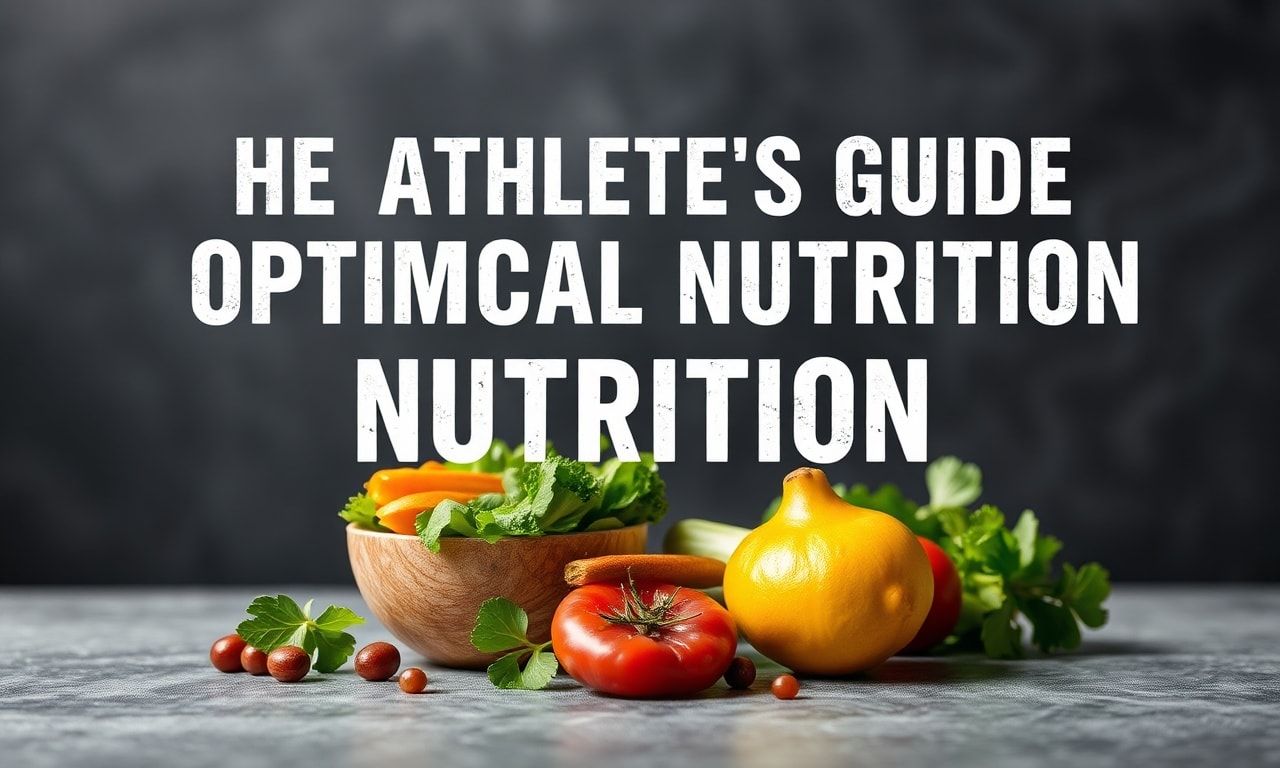
The Power of Proper Nutrition in Sports
In the world of sports, athletes are constantly pushing their bodies to the limit. Whether you’re a professional athlete or a fitness enthusiast, understanding the role of nutrition in enhancing performance is crucial. Proper nutrition can mean the difference between a good performance and a great one. In this article, we’ll explore the importance of a balanced diet, the benefits of superfoods, and how to fuel your body for optimal performance.
The Foundation of a Sports Diet
A balanced diet is the cornerstone of any athlete’s nutrition plan. It provides the necessary nutrients to support muscle growth, repair, and overall health. A well-rounded diet should include:
- Carbohydrates: The primary source of energy for athletes. Complex carbohydrates like whole grains, fruits, and vegetables should make up the bulk of your carbohydrate intake.
- Proteins: Essential for muscle repair and growth. Lean meats, fish, eggs, dairy, and plant-based proteins like beans and lentils are excellent sources.
- Fats: Healthy fats are crucial for hormone regulation and overall health. Avocados, nuts, seeds, and olive oil are great choices.
- Vitamins and Minerals: These are vital for various bodily functions. A diet rich in fruits, vegetables, and whole foods will provide the necessary vitamins and minerals.
- Hydration: Staying hydrated is just as important as eating the right foods. Water should be your primary beverage, and electrolyte drinks can be beneficial during intense training sessions.
The Role of Superfoods in Athletic Performance
Superfoods are nutrient-dense foods that offer numerous health benefits. Incorporating these into your diet can enhance your performance and recovery. Here are some superfoods that every athlete should consider:
- Chia Seeds: These tiny powerhouses are packed with omega-3 fatty acids, fiber, and protein. They can help improve endurance and reduce inflammation. However, it’s important to be aware of chia seeds side effects and consult with a healthcare professional before making significant dietary changes.
- Quinoa: A complete protein source that also provides essential amino acids, making it an excellent choice for muscle repair and growth.
- Berries: Rich in antioxidants, berries can help reduce oxidative stress and inflammation, aiding in recovery and overall health.
- Leafy Greens: Spinach, kale, and other leafy greens are packed with vitamins and minerals that support bone health and muscle function.
- Nuts and Seeds: Almonds, walnuts, and flaxseeds are great sources of healthy fats, protein, and fiber, supporting heart health and energy levels.
Pre- and Post-Workout Nutrition
What you eat before and after a workout can significantly impact your performance and recovery. Here are some tips to optimize your pre- and post-workout nutrition:
Pre-Workout Nutrition
Eating a balanced meal 1-2 hours before your workout can provide the necessary energy to power through your session. Focus on complex carbohydrates and lean proteins. Some examples include:
- Oatmeal with banana and a scoop of protein powder
- Greek yogurt with granola and berries
- Whole grain toast with peanut butter and a slice of avocado
Post-Workout Nutrition
After a workout, your body needs to replenish glycogen stores and repair muscle tissue. Consuming a combination of carbohydrates and protein within 30-60 minutes post-workout is ideal. Some options include:
- Grilled chicken with quinoa and steamed vegetables
- Protein smoothie with banana, spinach, and almond milk
- Salmon with sweet potato and a side salad
The Importance of Recovery
Recovery is a crucial aspect of any athlete’s routine. Proper nutrition plays a significant role in aiding recovery and preventing injuries. Here are some tips to support recovery:
- Hydration: Replenishing fluids lost during exercise is essential. Water, electrolyte drinks, and coconut water can help maintain hydration levels.
- Protein Intake: Consuming adequate protein post-workout helps repair muscle tissue and promotes growth.
- Anti-Inflammatory Foods: Foods rich in antioxidants and anti-inflammatory compounds, such as berries, leafy greens, and fatty fish, can help reduce inflammation and aid in recovery.
- Rest and Sleep: Adequate rest and quality sleep are vital for muscle repair and overall recovery. Aim for 7-9 hours of sleep per night.
Conclusion
Optimal nutrition is a key component of athletic performance. By focusing on a balanced diet, incorporating superfoods, and paying attention to pre- and post-workout nutrition, you can fuel your body for success. Remember to stay hydrated, prioritize recovery, and consult with a healthcare professional or sports nutritionist to tailor a plan that meets your specific needs. With the right nutrition strategy, you can take your performance to the next level and achieve your athletic goals.
Elevate your game with expert insights on fueling your body for peak performance—discover the secrets in sports nutrition essentials.
If you’re looking to boost your athletic performance with natural energy, don’t miss our latest feature on chia seeds’ global takeover.
Discover how your athletic style can boost your performance and well-being with our latest feature, fashion meets fitness wisdom.
Discover how athletes optimize their performance with sports nutrition secrets, offering a compelling look into the world of elite fitness and diet strategies.
If you’re looking to elevate your ecommerce game and tap into the booming health industry, our new guide boosting fitness sales online is a must-read for sports enthusiasts and entrepreneurs alike.