
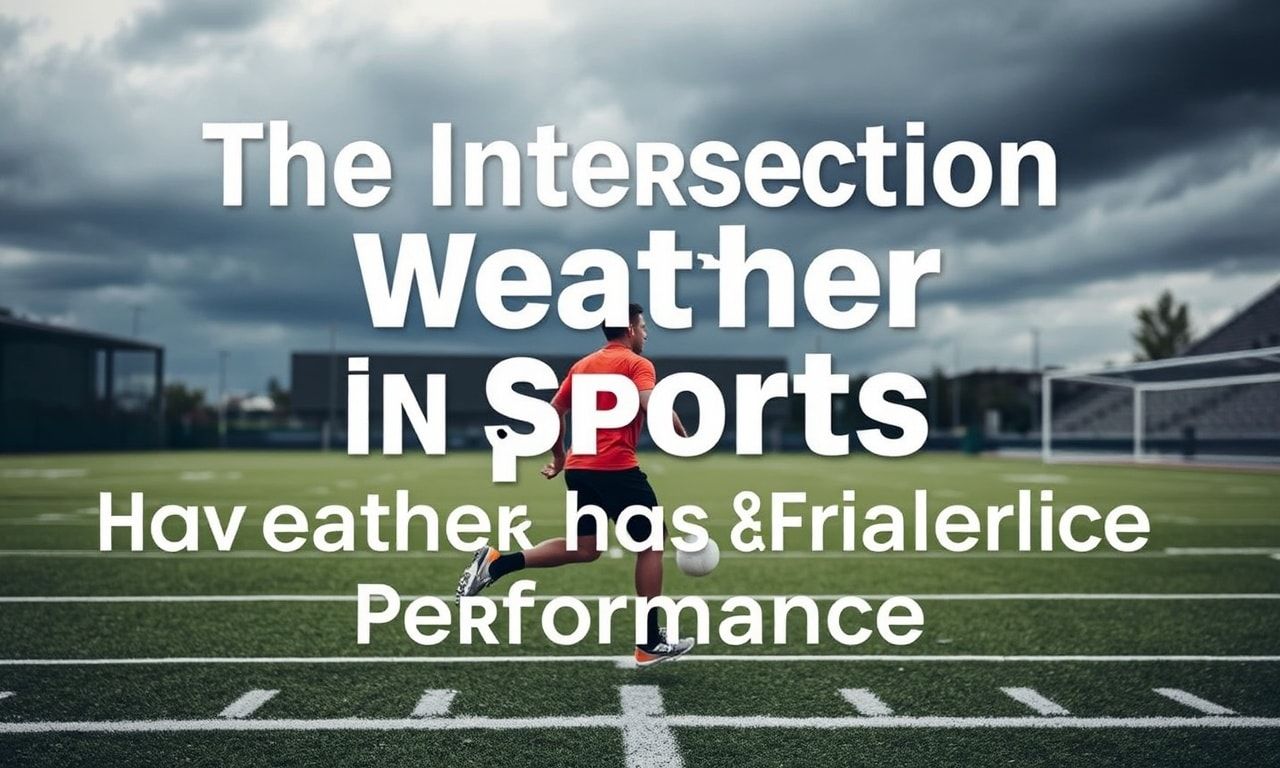
The Influence of Weather on Sports
Sports are a significant part of our lives, bringing people together and creating unforgettable moments. However, one often overlooked factor that can greatly influence athletic performance is the weather. From the sweltering heat of summer to the biting cold of winter, weather conditions can significantly impact how athletes perform on the field, court, or track. Understanding these impacts can help athletes, coaches, and fans better prepare for and appreciate the games they love.
Temperature and Performance
Temperature is one of the most critical weather factors affecting sports. High temperatures can lead to dehydration, heat exhaustion, and even heat stroke, which can severely impair an athlete’s performance. On the other hand, cold temperatures can cause muscles to stiffen, reducing flexibility and increasing the risk of injury. Athletes often need to adjust their training and strategies based on the temperature to maintain peak performance. Checking a reliable weather forecast 7 day can help athletes and teams plan accordingly, ensuring they are prepared for any temperature-related challenges.
Humidity and Its Effects
Humidity, or the amount of moisture in the air, also plays a crucial role in sports performance. High humidity can make it feel much hotter than it actually is, leading to increased sweating and a higher risk of heat-related illnesses. This can be particularly challenging for endurance sports like marathons or cycling, where athletes need to maintain a consistent pace over long periods. Conversely, low humidity can lead to dry skin and respiratory issues, affecting athletes’ comfort and performance. Understanding humidity levels and their potential impacts can help athletes stay safe and perform at their best.
Wind: A Double-Edged Sword
Wind can be both a friend and a foe in sports. In sports like sailing or cycling, a strong tailwind can provide a significant boost, helping athletes achieve faster speeds and better performance. However, a strong headwind can have the opposite effect, making it much harder to maintain speed and endurance. In sports like golf or football, wind can significantly impact the trajectory of the ball, requiring athletes to adjust their strategies and techniques accordingly. Checking wind conditions before a game or practice can help athletes and teams prepare for these challenges and make the necessary adjustments.
Precipitation and Its Impact
Precipitation, whether it’s rain, snow, or hail, can significantly impact sports performance. Rain can make surfaces slippery, increasing the risk of falls and injuries. It can also make it harder for athletes to grip equipment, like bats or balls, affecting their performance. Snow can make it difficult to see and maneuver, while hail can be dangerous and disruptive. Athletes and teams need to be prepared for these conditions, adjusting their strategies and techniques to ensure safety and performance. Checking a reliable weather forecast 7 day can help athletes and teams stay informed and prepared for any precipitation-related challenges.
Altitude and Its Effects
Altitude, or the height above sea level, can also impact sports performance. At higher altitudes, the air is thinner, meaning there is less oxygen available for athletes to breathe. This can lead to reduced endurance and performance, particularly in sports that require sustained effort, like running or cycling. Athletes often need to acclimate to higher altitudes by training and competing at these levels over time. Understanding the potential impacts of altitude can help athletes prepare and perform at their best, regardless of the location.
Preparing for Weather Conditions
To perform at their best, athletes need to be prepared for a wide range of weather conditions. This includes wearing appropriate clothing and gear, staying hydrated, and adjusting training and strategies based on the forecast. Checking a reliable weather forecast 7 day can help athletes and teams stay informed and prepared for any weather-related challenges. Additionally, athletes should listen to their bodies and take breaks when needed, particularly in extreme weather conditions. By being proactive and prepared, athletes can minimize the impacts of weather on their performance and stay safe on the field, court, or track.
In conclusion, weather plays a significant role in sports performance, impacting everything from temperature and humidity to wind and precipitation. Understanding these impacts and being prepared for them can help athletes perform at their best, regardless of the conditions. By checking a reliable weather forecast 7 day and adjusting their strategies and techniques accordingly, athletes can stay safe and competitive in any weather.
As athletes and fitness enthusiasts, we’re all about pushing boundaries and adapting to challenges, so let’s dive into how climate change is reshaping Swiss farming with Swiss agriculture facing climate shifts.
Ever wondered how weather conditions can make or break a game? Dive into the fascinating world of sports and climate with weather’s impact on athletes and gain a new perspective on your favorite games.
In the fast-paced world of athletics and fitness, understanding how technology enhances performance is crucial; dive into technology’s role in daily life to see how it’s revolutionizing our routines.