
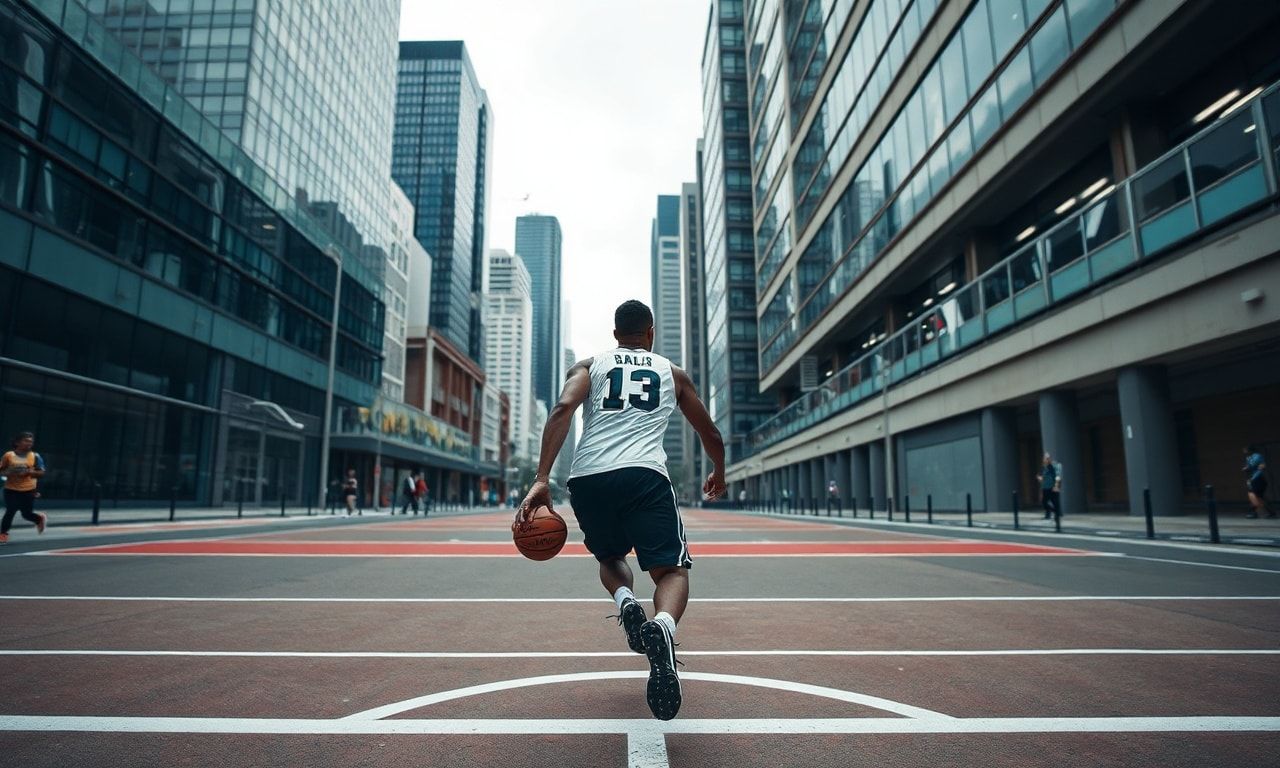
The Dynamic Relationship Between Sports and Cities
The world of sports is intricately woven into the fabric of urban life. From the bustling streets of New York to the serene canals of Amsterdam, cities around the globe serve as the backdrop for some of the most iconic sporting events and fitness cultures. This article explores how urban environments influence sports and vice versa, highlighting the unique dynamics that emerge in this intersection.
The Role of Public Transportation in Sports Accessibility
In many cities, public transportation plays a crucial role in ensuring that sports facilities are accessible to all residents. For instance, in Utrecht, the Netherlands, the efficient train network is a lifeline for athletes and fitness enthusiasts. However, delays and disruptions can sometimes pose challenges. For real-time updates on train delays, residents often turn to resources like utrecht trein vertraging centraal to stay informed and plan their commutes accordingly. This underscores the importance of reliable public transportation in supporting the sports community.
Urban Sports Facilities: A Hub for Fitness and Community
Cities are home to a plethora of sports facilities that cater to a wide range of athletic pursuits. From state-of-the-art gyms to community sports centers, these facilities provide a space for residents to engage in physical activities and foster a sense of community. Urban planners are increasingly recognizing the value of integrating sports infrastructure into city designs, ensuring that residents have easy access to places where they can stay active and healthy.
The Impact of Urban Design on Sports Participation
Urban design plays a significant role in encouraging or deterring sports participation. Cities with well-designed parks, bike lanes, and pedestrian-friendly streets tend to have higher levels of physical activity among their residents. For example, cities like Copenhagen and Amsterdam have successfully integrated cycling into their urban fabric, making it a popular mode of transportation and a form of exercise. By prioritizing green spaces and recreational areas, cities can create an environment that promotes an active lifestyle.
The Rise of Urban Sports Events
Urban sports events have gained immense popularity in recent years, drawing large crowds and fostering a sense of camaraderie among participants and spectators alike. Events such as city marathons, cycling races, and urban triathlons not only showcase the athletic prowess of participants but also highlight the unique characteristics of the host city. These events often attract tourists, boosting the local economy and promoting the city’s cultural and sporting heritage.
Case Study: The Amsterdam Marathon
The Amsterdam Marathon is a prime example of how urban sports events can bring a city to life. Held annually, this event attracts thousands of runners from around the world, who come to experience the vibrant atmosphere and scenic routes. The marathon not only celebrates the spirit of athleticism but also showcases the city’s rich history and architectural beauty. Such events underscore the symbiotic relationship between sports and urban life, where each enhances the other.
Challenges and Solutions in Urban Sports
While urban environments offer numerous opportunities for sports and fitness, they also present unique challenges. Issues such as air pollution, noise, and limited space can hinder outdoor activities. However, innovative solutions are emerging to address these challenges. For instance, vertical gardens and green roofs can improve air quality, while soundproofing technologies can mitigate noise pollution. Additionally, the use of multi-purpose sports facilities can maximize the use of limited urban space, ensuring that residents have access to the amenities they need.
The Future of Urban Sports
As cities continue to evolve, the future of urban sports looks promising. Advances in technology, such as smart fitness equipment and wearable devices, are revolutionizing the way people engage in physical activities. Furthermore, the growing emphasis on sustainability and well-being is driving the development of eco-friendly sports facilities and green urban spaces. By embracing these innovations, cities can create a healthier, more active, and more vibrant environment for their residents.
Dive into the fascinating world where athletics meets city planning with our latest feature, sports shaping urban landscapes, and discover how global cities are leveraging sports for development.
Discover the powerful influence of sports on local communities with our latest feature, athletes driving economic growth.
To help you perform at your peak, both on and off the field, explore elevating your lifestyle simply and discover how small habits can make a big difference in your athletic journey.