
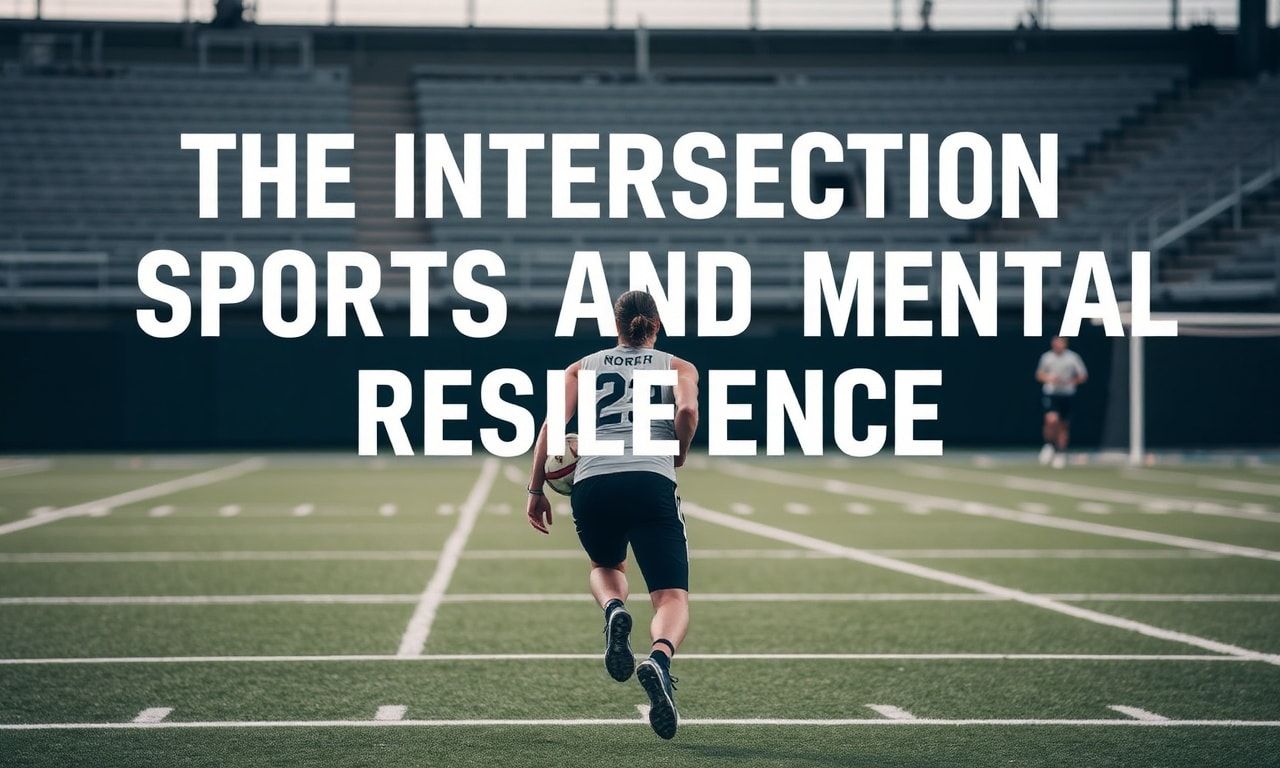
The Power of Mental Fortitude in Sports
In the world of athletics, physical prowess often takes center stage. However, the true champions are those who possess an unyielding mental resilience that propels them to victory. The ability to push through pain, maintain focus under pressure, and bounce back from setbacks is what separates the good from the great. This mental fortitude is not just a trait but a skill that can be honed and developed over time.
The Role of Mindfulness and Focus
Mindfulness and focus are crucial components of mental resilience in sports. Athletes who can stay present and focused on the task at hand are better equipped to handle the demands of their sport. Techniques such as visualization, meditation, and positive self-talk can significantly enhance an athlete’s ability to maintain focus and perform under pressure. For instance, many top athletes use visualization to mentally rehearse their performances, which helps them stay calm and composed during high-stakes competitions.
Incorporating mindfulness practices into training routines can also help athletes manage stress and anxiety. By focusing on the present moment, athletes can reduce the impact of negative thoughts and distractions. This can be particularly beneficial in sports like track and field, where split-second decisions and reactions can make all the difference. Understanding the Kur’an ayet anlamı can also provide spiritual guidance and strength, helping athletes to stay grounded and focused on their goals.
The Importance of Goal Setting
Goal setting is another critical aspect of mental resilience in sports. Setting clear, achievable goals gives athletes a sense of direction and purpose. Whether it’s improving personal bests, qualifying for a major competition, or simply maintaining consistent performance, goals provide a roadmap for success. Breaking down larger goals into smaller, manageable steps can make them less daunting and more attainable. This approach not only builds confidence but also fosters a sense of accomplishment, which is essential for maintaining motivation and resilience.
Overcoming Adversity: Stories of Resilience
History is replete with stories of athletes who have overcome immense adversity to achieve greatness. From injuries and personal tragedies to financial hardships and societal pressures, these athletes have demonstrated remarkable resilience. Their stories serve as a testament to the power of the human spirit and the importance of mental fortitude in sports. For example, Eliud Kipchoge, the marathon world record holder, has often spoken about the role of mental strength in his training and performances. His ability to push through physical limits and maintain focus is a testament to his mental resilience.
Similarly, the story of Wilma Rudolph, the first American woman to win three gold medals in a single Olympics, is a powerful example of resilience. Born prematurely and afflicted with polio as a child, Rudolph was told she would never walk again. Yet, through sheer determination and mental strength, she not only overcame her physical limitations but also became one of the greatest sprinters of her time. These stories highlight the importance of mental resilience in achieving athletic success.
Building Resilience Through Training
Resilience is not something that can be developed overnight. It requires consistent effort and dedication. Athletes can build resilience through various training techniques, such as high-intensity interval training (HIIT), strength training, and endurance exercises. These training methods not only improve physical fitness but also enhance mental toughness. For instance, HIIT workouts simulate the demands of competitive sports, helping athletes to push through physical and mental barriers.
In addition to physical training, mental conditioning is equally important. Techniques such as cognitive-behavioral therapy (CBT), mindfulness meditation, and positive visualization can help athletes develop the mental resilience needed to excel in their sport. By incorporating these practices into their training routines, athletes can build the mental strength required to handle the pressures of competition and achieve their goals.
The Role of Support Systems
No athlete succeeds in isolation. A strong support system, including coaches, family, friends, and teammates, plays a crucial role in building mental resilience. Coaches provide guidance, motivation, and expertise, while family and friends offer emotional support and encouragement. Teammates, in particular, can be a source of camaraderie and shared experiences, which can help athletes navigate the challenges of their sport. A supportive environment fosters a sense of belonging and security, which is essential for mental well-being and resilience.
Moreover, seeking professional help, such as sports psychologists or counselors, can be beneficial for athletes struggling with mental health issues. These professionals can provide strategies and techniques to manage stress, anxiety, and other mental health challenges. By addressing these issues proactively, athletes can build the mental resilience needed to excel in their sport and lead fulfilling lives.
Conclusion: The Path to Mental Resilience
Mental resilience is a critical component of athletic success. It enables athletes to push through physical limits, maintain focus under pressure, and overcome adversity. By incorporating mindfulness practices, setting clear goals, building resilience through training, and leveraging support systems, athletes can develop the mental strength needed to excel in their sport. The stories of resilient athletes serve as a reminder that mental fortitude is not just a trait but a skill that can be honed and developed over time. As athletes continue to push the boundaries of human potential, the importance of mental resilience will only grow, making it an essential aspect of sports performance and success.
In the spirit of teamwork and resilience, explore how faith and community come together in challenging times with our insightful feature, faith strengthens community bonds.
Dive into the thrilling world of athletics and discover what drives these extraordinary competitors in the captivating journey of sports.
Delve into the fascinating world of sports psychology with our latest feature, unlocking mental resilience in athletes, a must-read for anyone passionate about the intersection of fitness and mental fortitude.