
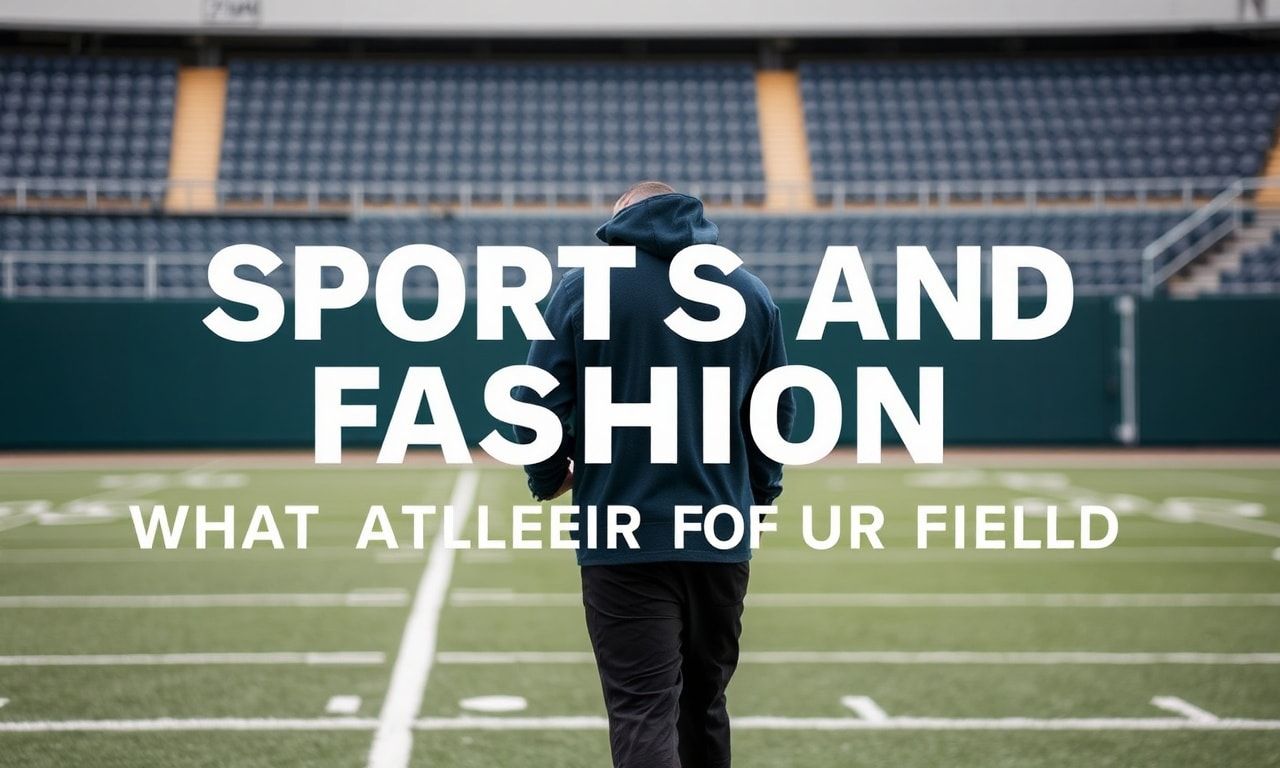
The Evolution of Sports Fashion
The world of sports is not just about competition and athleticism; it’s also a significant influencer in the fashion industry. Over the years, we’ve seen a remarkable evolution in what athletes wear, both on and off the field. From the classic tracksuits of the 80s to the sleek, high-tech gear of today, sports fashion has come a long way. This evolution reflects not only changes in technology and materials but also shifts in cultural attitudes towards sports and fitness.
Athletes as Fashion Icons
Athletes are often seen as trendsetters and fashion icons. Their influence extends beyond the sports arena, impacting global fashion trends. For instance, the casual, athletic-inspired looks popularized by basketball players in the 90s continue to influence streetwear today. Similarly, the rise of yoga and Pilates has brought about a surge in athleisure wear, making it acceptable to wear workout clothes for everyday activities. This blurring of lines between sportswear and everyday fashion is a testament to the power of athletes as fashion influencers.
The Rise of Athleisure
One of the most significant trends in recent years is the rise of athleisure. This term refers to clothing designed for athletic purposes but is stylish enough to be worn in other settings. Brands like Lululemon and Nike have capitalized on this trend, creating pieces that are both functional and fashionable. The athleisure trend has been embraced by athletes and non-athletes alike, reflecting a broader cultural shift towards valuing comfort and practicality in fashion.
This trend has also led to a greater emphasis on sustainability and ethical production in the sports fashion industry. As consumers become more conscious of the environmental impact of their purchases, brands are responding by using eco-friendly materials and implementing sustainable practices. This shift is not only good for the planet but also aligns with the values of many athletes, who are increasingly using their platforms to advocate for social and environmental causes.
The Influence of Cultural Trends
Sports fashion is also influenced by cultural trends and global events. For example, the 2020 Olympics in Tokyo saw a surge in interest in kimono fashion for men 2026, with many athletes incorporating traditional Japanese elements into their outfits. This fusion of traditional and modern styles is a reflection of the growing appreciation for cultural diversity in the sports world. Similarly, the rise of social media has allowed athletes to showcase their personal style and connect with fans on a more personal level, further amplifying their influence as fashion icons.
Team Analysis: The Role of Team Jerseys
Team jerseys are a significant aspect of sports fashion, serving as a symbol of unity and pride for athletes and fans alike. The design and style of team jerseys can have a significant impact on team morale and fan engagement. For instance, the iconic yellow jersey of the Tour de France is not just a piece of clothing; it’s a symbol of excellence and achievement in the world of cycling. Similarly, the jerseys of national football teams often incorporate elements of national pride and cultural heritage, making them more than just sportswear.
In recent years, there has been a trend towards customization and personalization in team jerseys. Many teams now offer fans the opportunity to customize their jerseys with their names and favorite numbers, creating a more personal connection to the team. This trend reflects a broader shift towards individualism and personal expression in sports fashion, as athletes and fans alike seek to express their unique identities through their clothing.
The Future of Sports Fashion
The future of sports fashion is likely to be shaped by advancements in technology and materials science. We can expect to see more innovative designs that incorporate smart fabrics and wearable technology, allowing athletes to track their performance and monitor their health in real-time. Additionally, the growing emphasis on sustainability and ethical production is likely to continue, as brands seek to meet the demands of increasingly conscious consumers.
Another trend to watch is the increasing influence of athletes as fashion designers and entrepreneurs. Many athletes are now launching their own fashion lines, allowing them to express their personal style and connect with fans on a deeper level. This trend is not only a testament to the growing influence of athletes in the fashion world but also reflects a broader cultural shift towards valuing authenticity and individuality in fashion.
Conclusion
In conclusion, the world of sports fashion is a dynamic and ever-evolving landscape, shaped by a complex interplay of cultural, technological, and social factors. From the classic tracksuits of the past to the high-tech gear of today, sports fashion reflects not only changes in technology and materials but also shifts in cultural attitudes towards sports and fitness. As athletes continue to influence global fashion trends, we can expect to see even more innovative and exciting developments in the world of sports fashion in the years to come.
Balancing your fitness journey with smart financial decisions is key to long-term success, so check out investing for an active life to learn more.
Discover how technology is shaping the future of sports fashion and cultural heritage in our latest feature, AI meets athletic style.
Dive into the captivating world where sports and culture collide by exploring how passion meets tradition in our latest feature.