
Subway Surfer Buyer's Guide: You’ll Choose Better, Faster
Clear, practical guide for readers of SubwaySurfer.co.uk comparing options, pitfalls, and tips to optimize sports coverage and decision making.

If you’re deciding which athletic product, service, or update to trust, this guide helps you choose with confidence. You’ll learn what matters in performance, durability, and value, and how to compare options quickly. By the end, you’ll spot red flags and pick a choice that supports your training goals.
This guide keeps the focus on real readers: practical steps, concrete examples, and clear trade-offs. It translates complex details into a simple decision path. Think of it as a quick, reliable briefing before you invest time or money.
Across the eight sections, you’ll see how to assess needs, how to test options, and how to avoid common mistakes in sports gear, media, and analytics. You’ll find comparisons that stay useful over weeks of training and reporting, not just today’s hype.
- This guide helps readers compare athletic products, services, and media with practical tests and clear criteria.
- You learn to prioritize fit, durability, and long-term value over flashy features or hype.
- The approach blends personal testing with external feedback to avoid common buying mistakes.
- It provides a structured way to decide without overspending or overvaluing a single attribute.
Basics you should know
What to assess first
Start with your goals and the type of training you do most. Consider how often you train, where you train, and what results you want. This frames every other decision, from material to fit. Avoid gadgets that promise everything but deliver little in your daily routine. advocaat in Amersfoort
- Define your training needs first
- Favor durability and fit over flashy features
- Test side-by-side before buying
Look for robust construction and clear warranties that reflect real use. Check if the product suits your sport’s demands, like grip, cushioning, or stability. If a feature feels unnecessary, it’s probably not worth the extra cost.
Test with your current routine: compare a new option against what you already use. If you notice better comfort, consistency, or recovery time, keep it on your short list. If it disrupts your flow, sit it out.
- Assess goals and training style
- Check build, warranty, and sport fit
- Test against current setup
- Observe comfort and performance over time
How to compare options
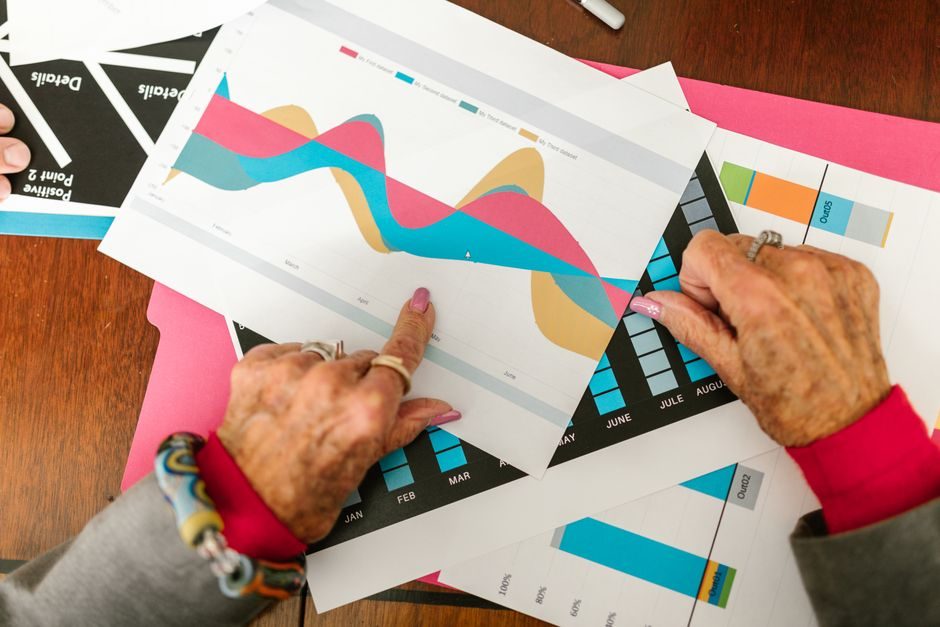
Side-by-side evaluation
Create a simple comparison template listing core criteria: performance, durability, comfort, cost, and support. Use it to rate each option after a short test period. This keeps your decision grounded in real experience rather than brand promises. A useful resource on this topic: nieuws uit Utrecht Zuidwest.
Document your impressions with quick notes and photos. Concrete examples, like how fast you recover after sessions or how the gear withstands frequent washing, reveal true value. Avoid relying on specs alone.
Balance short-term feel with long-term value. A lighter, cheaper choice might fail sooner, forcing another purchase soon after. Consider total cost of ownership over a season.
- Criteria: performance, durability, comfort, cost, support
- Record impressions with notes/photos
- Weigh short-term feel against long-term value
Practical pitfalls to dodge
Common traps to avoid
Overcommitting to a single feature can backfire when other needs surface. For example, prioritizing extreme lightness may compromise durability or grip. Always test under conditions similar to your typical workouts.
Relying on word-of-mouth alone can mislead; seek independent tests or user experiences from unbiased sources. If an influencer makes it seem perfect, look for corroboration in real-world use.
Ignoring fit and comfort leads to early fatigue or injury risk. If it doesn’t feel right after a few sessions, reassess size, shape, or stiffness and explore alternatives.
- Overvalue one feature
- Rely on hype without independent tests
- Neglect fit and comfort
| Option | Pros | Cons |
|---|---|---|
| Option A | Good grip, durable | Heavier, pricier |
| Option B | Light, comfortable | Less durable over time |
| Option C | Balanced performance | Mid-range price |
Use a standardized routine to compare grip, stability, and recovery impact across options.
Totally practical tips

How to get the most from your choice
Plan a brief trial window before committing. Use a standardized routine to compare grip, stability, and recovery impact across options.
- Define a trial window
- Compare grip, stability, and recovery
- Get external feedback
- Keep receipts for easy return
Ask peers or coaches for quick feedback on fit and performance to balance personal impressions with external opinions. A second pair of eyes helps reveal issues you might miss.
Keep receipts and document returns if the product doesn’t meet needs within a reasonable testing period. This saves you from being stuck with a poor fit.
- Run a brief trial period
- Seek peer feedback
- Keep receipts and test periods
Sports tech and data features
Key performance metrics to watch
Invest in a model that clearly reports pace, distance, heart rate, and cadence. Look for sources that translate raw numbers into actionable insights for training plans and race strategy.
Compare how data is collected: wrist-based optical sensors vs chest straps; the latter often provides more reliable heart-rate data when you’re pushing hard.
Consider how data is displayed: dashboards that sync across devices help you review sessions, set goals, and track progress over weeks and months.
- Pace consistency
- Cadence trends
- Heart-rate zones
- Training load
- Recovery signals
Budgeting for upgrades

What to spend on first
Begin with a reliable heart-rate monitor or a watch that fits your sport and comfort level. A solid baseline allows you to judge improvements without guessing.
- ☐ Identify your primary sport and training frequency
- ☐ Choose a tracking device that fits your workouts
- ☐ Evaluate app features that match your goals
- ☐ Set a simple budget and a review date
Budget for a few months of software access or premium features if they unlock meaningful coaching or analytics.
Plan for occasional refreshes rather than chasing every new feature; build a core setup that stays useful across seasons.
- Baseline device
- Software access
- Seasonal refresh plan
- Support and warranties
Brand loyalty vs practicality
When to switch brands
Brand loyalty can save time and simplify data syncing, but it’s not a guarantee of better metrics. Prioritize interoperability with the apps you already use.
If you outgrow a starter model, weigh whether a jump to a higher tier actually improves your day-to-day training.
Evaluate ecosystem support: compatibility with sensors, chest straps, and mobile platforms matters more than a glossy lineup.
- Ecosystem coherence
- Sensor compatibility
- App support quality
- Long-term cost of ownership
Where readers find the best value

Smart buying channels
Compare prices across reputable retailers and be wary of deep discounts on older models. Value often shows up in bundled software, extended warranties, or accessory offers.
Read real-world user reviews that focus on durability, battery life, and data reliability. A good model remains useful even as new features arrive.
Timing matters: end-of-season clearances or holiday promos can shift the math in your favour, especially for yearly subscriptions.
- Price comparisons
- Durability reviews
- Battery life observations
- Seasonal promotions
Frequently asked questions
Can I mix devices from different brands in one setup?In most cases you can pair a device with a compatible app, but cross-brand data consistency can vary. If you rely on precise metrics for training decisions, pick a primary device ecosystem and use it as the data source, while allowing supplementary sensors for context.
Do subscription plans really improve my training?Premium plans often unlock coaching resources, more data storage, and deeper insights. If you train regularly and want structured plans, they can add value. If you train sporadically, a basic plan may suffice.
What should I look for in a chest strap?Seek responsiveness, comfortable fit, and reliable heart-rate capture during high-intensity efforts. A strap that stays snug and reports steady data will reduce garbled readings during sprints or hills.
Is there a risk of data overload?Yes. Start with a few core metrics that map to your goals and expand only when you can act on the data. Too many numbers can distract from training decisions.
Next steps for smart upgrades
Take inventory of your current setup and identify one metric that would most improve your training clarity.
Test a reputable upgrade within your planned budget and monitor whether it makes your workouts more consistent over a month.
Schedule a review to decide if you should keep, adjust, or escalate your gear investment based on real training gains.
Then lock in a simple routine for data review, so the numbers support steady progress rather than noise.

Add Subway Surfer Mobile Game Cheats as a preferred source on Google

