
How to use community events in Dudley to boost sport and fitness impact
A practical guide for readers of a sports site to connect training, local events, and community networks in Dudley for better athletic engagement.

Readers come here to improve training and stay motivated. This guide shows how Dudley’s community events can sharpen your fitness routine, sharpen team cohesion, and widen competition circles. You’ll learn where to find events, how to pick ones that fit your goals, and how to turn participation into ongoing athletic momentum.
If you want to understand the practical value of local gatherings, this piece lays out why events matter for performance, not just social time. You’ll see quick checks to vet events, and concrete steps to turn a weekend run into a broader plan. It’s about making every local outing count toward training targets.
By the end you’ll have a simple toolkit: how to scout events, how to prepare for them, and how to record gains so your squad benefits long term. The focus stays on real readers who want clear, doable actions that improve training quality and team dynamics.
- Local events in Dudley can complement training and sharpen pacing, endurance, and teamwork.
- Choose events that fit your season and sport, then plan around recovery and coaching.
- Treat each event as a targeted workout with clear metrics tracked after the race.
- Use the local scene to build a steady cycle of training and community support.
Basics and purpose
Identify local event types
Begin with a quick map of what kinds of events exist in Dudley, from fun runs to charity challenges. This helps you target sessions that align with your sport and current training phase. Planning around a calendar reduces last-minute decisions and injuries. community events in Dudley
- Avoid events that clash with key long runs
- Don’t overcommit with back-to-back weekends
- Skip events that require travel on your toughest days
Consider your goals for the season: endurance, speed, or strength. Choose events that push just enough and offer opportunities for pace work or technique feedback. Knowing the event type helps you set concrete aims.
Be realistic about time and recovery. Pick events that fit your weekly plan and give you room to recover between hard sessions. Clear priorities prevent the schedule from becoming a disruptor to training.
- Map local options: 5K, triathlon, charity run
- Check dates against long runs or workouts
- Prioritize events with coach or peer support
- Choose easy-to-access venues
- Record expected gains in training log
Plan around your season
Season planning matters for steady progress. Align Dudley events with your build cycles to avoid peaks and plateaus. This keeps training coherent and reduces burnout.
Set a simple commitment: one event per month or per block. This yields predictable momentum without overloading your week. A minimal target keeps you focused.
Coordinate with teammates to maximize benefit; training partners help with pacing and accountability, especially during longer events.
- Match events to build phase
- Limit monthly commitments
- Coordinate partner schedules
- Create a shared plan in a notebook or app
- Track progress after each event
How to pick the right event

Evaluate relevance to sport
Filter events by distance, terrain, and surface that mirror your sport. A track runner may prefer flat 5Ks; a trail runner may seek mixed terrain. The alignment saves effort and sharpens race-specific skills. Dudley 24 headlines
Assess the level of competition and crowd energy; choose events that challenge you without taxing your recovery. Local events can be a stepping stone or a confidence boost depending on your current form.
Review the event’s logistics: location, parking, check-in times, and course maps. Clarity here reduces stress on race week and keeps training intact.
- Distance and terrain match
- Appropriate competition level
- Clear logistics and map access
- Supportive coaching or volunteer staff
- Appropriate recovery windows
Maximize training value
Treat events as workouts with specific aims rather than social outings alone. Use warm-up protocols that mimic your goal pace, then practice race-day nutrition or pacing strategies.
Record split times, effort levels, and subjective fatigue to inform future cycles. The data makes future pacing and workouts more precise.
After the event, debrief with teammates to extract lessons and adjust the next plan.
- Use event as a controlled workout
- Log performance metrics
- Debrief with the team
- Adjust next training block
- Plan light week after hard events
Potential pitfalls
What to avoid
Avoid overcommitting or choosing events that conflict with key training blocks. Burnout and nagging injuries often follow a crowded calendar. Keep margins for rest and adaptation. Dudley business listings
- Plan one event per month as a baseline
- Create a pre-race gear checklist
- Set a recovery buffer after each event
Don’t neglect equipment and pacing plans; last-minute gear failures derail sessions and confidence. Pre-event checks prevent avoidable problems.
Be mindful of weather and course conditions; extreme heat or slippery surfaces alter effort and risk.
- Overbooking weeks
- Ignoring rest days
- Poor gear planning
- Ignoring weather risks
- Inadequate course awareness
| Method | Pros | Cons |
|---|---|---|
| Event-focused training | Clear pacing goals | Requires scheduled races and travel |
| Interval sessions with event simulation | Precise pace work | May need extra coaching |
| Long runs linked to events | Endurance build | Less variety in stimulus |
Social and logistical traps
Group dynamics can push you to overextend. Choose partners whose goals align with yours to avoid mixed signals about effort and pacing.
Logistics chaos—late arrivals, crowded transitions—strains performance and mood. Pre-book parking and check-in times to stay calm.
Online chatter about events may exaggerate difficulty or excitement; rely on your own data and experiences to judge value.
- Align goals with teammates
- Pre-book essential logistics
- Trust your own pacing plan
- Avoid hype and social pressure
- Use firsthand experience to judge value
Pack essentials the night before: shoes, socks, replacement laces, and safety pins.
Practical tips for getting the most
Gear and preparation
Invest in a reliable watch or app to track pace and splits. A simple, consistent setup helps you execute planned strategies on race day. post a classified ad in Dudley
- Plan around your season and event types
- Match events to training goals
- Debrief and adjust for future events
Pack essentials the night before: shoes, socks, replacement laces, and safety pins. A small kit saves last-minute scrambles and stress.
Practice your warm-up and race-day routine in the days surrounding the event to avoid surprises.
- Reliable timing device
- Pre-packed race kit
- Consistent warm-up
- Courteous pacing partners
- Hydration plan
This section wraps up practical near-term steps and reminders for readers to convert Dudley events into athletic gains. The content stays actionable and specific for runners and general athletes.
Injury prevention and recovery
Warm-up and mobility essentials
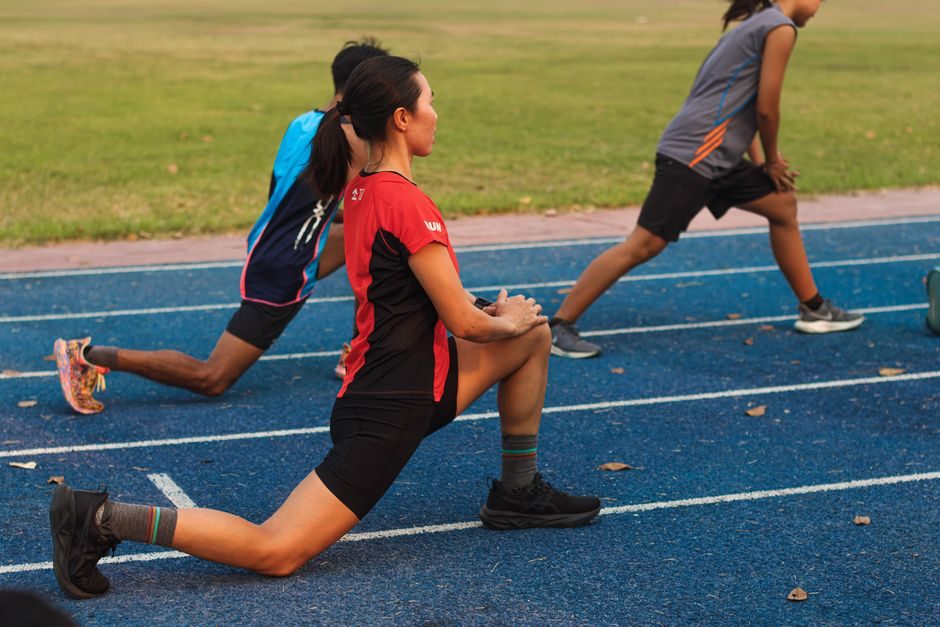
Start with a brisk 5-minute general warm-up to raise heart rate and loosen joints. Follow with mobility drills that target hips, ankles, and shoulders to reduce soft tissue injuries. Finish with light sport-specific movements to prime muscles for action. place a death notice in Dudley
A practical approach is to rotate through dynamic leg swings, ankle circles, and gentle lunges, then jog in place before sprinting. This reduces stiffness and helps you maintain form under fatigue.
Consistency matters more than intensity; schedule a short daily routine to build resilience. Track improvements by noting how your body feels after sessions and adjusting intensity accordingly.
- 5-minute general warm-up
- Dynamic mobility drills
- Sport-specific warm-ups
- Post-workout cooldown
Nutrition and fueling

Pre- and post-workout meals
Fuel before training with a mix of carbohydrates and protein, aiming for energy without heaviness. Afterward, replace glycogen stores with carbohydrates and repair muscles with protein. Hydration should be steady, not just during workouts.
- ☐ Plan meals around training times for consistency.
- ☐ Prioritize easily digestible carbs before workouts.
- ☐ Include protein in meals after workouts to support recovery.
- ☐ Avoid large, heavy meals immediately after intense sessions.
A simple strategy is a banana or yogurt before activity and a chicken sandwich or smoothie after, depending on timing and appetite. If workouts extend beyond an hour, consider a small carbohydrate snack during activity.
Keep a basic log of what you eat relative to performance days to identify patterns that help or hinder recovery.
- Pre-workout carbs
- Post-workout protein
- Hydration strategy
- Timing considerations
Performance psychology
Mental strategies for focus
Mental sharpness often separates good performers from great ones. Use brief pre-event routines to lock in attention and calm nerves. Visualize key moments from start to finish to build confidence.
Practice short breathing cycles during downtime to reset focus and manage arousal levels. When fatigue hits, return to a single, controllable cue that anchors you.
Keep a simple mental checklist for performance cues and outcomes. Regularly review what worked and what didn’t to refine your approach.
- Pre-event routine
- Breathing for calm
- Cues and checklists
- Review and adapt
Local community and clubs

Finding the right club
Look for clubs that fit your current level and goals, whether you want endurance, speed, or team sport skills. Attend a session as a guest to assess coaching quality and atmosphere. Talk to members about training load and competition expectations.
Ask about beginner pathways, member incentives, and how often sessions run. If a club suggests instant membership without trial, dig into the structure, safety, and progression. A welcoming group often shares warmups, drills, and accountability partners.
Try multiple groups over a couple of weeks to compare coaching style, team culture, and progression plans. Your long-term engagement hinges on compatibility and clear development routes.
- Find beginner-friendly clubs
- Attend as guest
- Ask about progression
- Compare groups over time
Frequently asked questions
What are the best ways to integrate community events into a competitive training plan?Choose events that complement your current cycle by matching endurance, speed, and recovery days. Treat events as checkpoints, not full replacements for structured sessions. Record what you learn from each event to guide the next training block.
How can I avoid burnout when joining Dudley events?Limit the number of events you commit to in a month and ensure you have recovery days built into your week. Prioritize quality training over chasing every race, and use social support to maintain motivation without overdoing it.
What should I ask a potential coach before joining?Ask about progression benchmarks, how they tailor plans to facilities, and how they handle injuries or rest periods. A good coach will explain how sessions connect to race goals and how progress is measured.
Where can I find reliable information about local events?Check the official Dudley community calendar, club social media pages, and event coordinators. Look for consistent schedules, safety policies, and clear contact points for questions.
Conclusion
Take this plan and start with small, actionable steps that fit your Dudley week. Prioritize injury prevention and steady nutrition to support training, then add a couple of community events to test and learn.
Use insights from these events to refine your routine, stay accountable, and push toward your next target. The aim is steady progress, not perfection.
Add Subway Surfer Mobile Game Cheats as a preferred source on Google


