
How to Promote Your Business in Google Maps for Athletes and Teams
Clear, practical guide for promoting a sports business on Google Maps. Learn steps, common mistakes, and smart habits to boost visibility locally.

For a sports-focused business, appearing on Google Maps can mean more fans, more bookings, and easier local discovery. This guide answers how to promote your business in Google Maps with practical steps you can implement today. You’ll learn to claim your listing, optimize it for athletes and supporters, and use simple, repeatable habits to stay visible.
The core idea is simple: make it easy for people near you to find what you offer, whether it’s training sessions, clinics, or shop visits. Start with a complete, accurate profile, then build trust through timely updates and useful photos. You’ll also learn to integrate those maps insights into your event and team marketing.
Finally, this article stays focused on real-world, sport-specific outcomes—clear steps, concrete examples, and warnings about common mistakes that waste effort. Follow the plan, and you’ll create a stable local presence that supports bookings, memberships, and community impact.
- Claim and verify your Google Maps listing to control the profile. Fill every field, add sport-specific services, and keep hours accurate.
- Use high-quality action photos, post timely updates, and encourage real reviews. Engage with fans and partners to build trust.
- Link your profile to local programs and events, and use insights to adapt your approach. Paid promotions can help if you have a clear, trackable goal.
- Be wary of duplicates, inconsistent details, and fake reviews. Regular maintenance and authentic content sustain visibility and credibility.
Foundations on Google Maps
Claim and verify listing
Begin by claiming your business profile on Google Maps and verify ownership. This ensures you control information shown to fans and partners. Use a consistent business name, address, and phone number across platforms to avoid confusion. promote your business in the USA
- Skipping verification, leading to edit restrictions
- Inconsistent business details, confusing fans
- Ignoring photos and updates, reducing trust
The listing should reflect your current sport, facility, and services—training, clinics, or merchandise—so fans recognize you instantly.
Watch for duplicate listings and merge them to avoid split visibility, which can dilute ratings and trust.
- Claim early to lock in your location
- Use a single, consistent NAP across platforms
- Monitor for duplicates and merge them
Optimize for athletes and supporters
Complete profile information
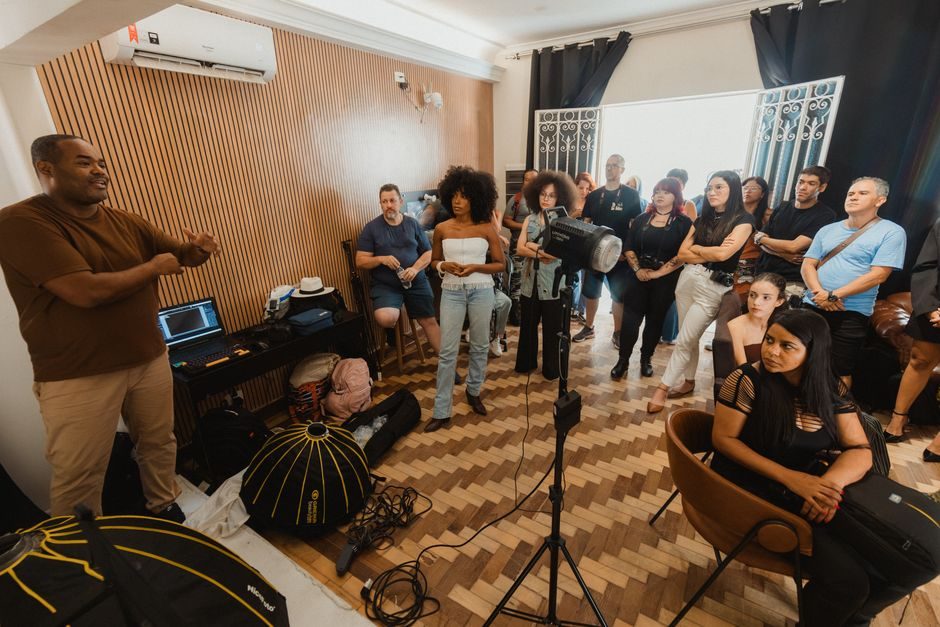
Fill every field: category, services, hours, and contact methods. A complete profile reduces friction for fans booking a session or joining a club. Include sport-specific keywords naturally to help with local search without sounding forced. A useful resource on this topic: car industry news.
- Complete profiles improve visibility
- Clear offerings boost conversions
- Up-to-date hours prevent missed visits
Post concise descriptions of offerings: group sessions, youth programs, or elite camps. Clarity saves time for busy players and parents.
Regularly update hours for weekend events and holiday schedules so fans never land on inactive times.
- Fill every profile field
- Use natural sport keywords
- Keep hours current
Engage with photos and posts
Photos and posts are trust signals for fans. Upload action shots, facility images, and event photos that show pace, technique, and community. Include captions with dates and locations to add context.
Post updates about clinics, partners, and results from recent events to keep the audience informed and engaged.
Encourage fans to leave reviews after training camps to build social proof.
- Use action-packed photos
- Caption with context
- Invite reviews after events
Presence across maps and search
Categories and attributes
Choose the most accurate category for your sport and service—this guides how you appear in maps searches. Add attributes like wheelchair access, parking, and indoor/outdoor fields to help fans assess suitability. A useful resource on this topic: list your event in the USA.
- ☐ Be precise about category and attributes
- ☐ Keep attributes current
- ☐ Review impact monthly
Attributes directly influence who finds you and when. A well-described facility boosts relevance for searchers near your location.
Test different attribute combinations during slower periods to see what improves visibility and click-throughs.
- Pick precise category
- Add useful attributes
- Experiment with settings
| Method | Pros | Cons |
|---|---|---|
| Free profile optimization | Low cost, builds trust | Requires time and consistency |
| Paid promotions | Faster visibility | Needs ROI tracking |
| Partnerships with local clubs | Stronger community ties | More coordination needed |
Local links and events
Link your Maps profile to local leagues, clubs, and school programs to signal relevance and activity. Use the Events or Posts feature to highlight upcoming matches, trainings, or open trials.
Regularly post about local events to improve discoverability when fans search for games near you. Include location details and dates.
Monitor questions and respond promptly; timely replies build trust and foster attendance.
- Link to local partners
- Post events with dates and venues
- Respond to inquiries quickly
Ask coaches, players, and fans to add reviews and photos that reflect real experiences.
Promotional options on Maps
Free features you should use
Utilize free tools like posts, questions, reviews, and photos to keep content fresh. These actions require time but carry no cost and improve local trust. A useful resource on this topic: local job listings in the USA.
Ask coaches, players, and fans to add reviews and photos that reflect real experiences. Authentic content resonates with new visitors.
Monitor insights to understand how people find you and what actions they take—adjust your updates accordingly.
- Post regularly
- Encourage real reviews
- Review insights for tweaks
Paid options and when to use them
Consider paid boosts only if you have a clear local ROI plan, such as driving attendance to a big event or trial session. Set a tight geographic radius to avoid waste.
Track performance with simple metrics: views, actions, and new bookings linked to each promo. If results lag, pause and reassess.
Balance paid efforts with organic activity to maintain credibility and avoid over-saturation.
- Set specific ROI goals
- Use narrow geographic targeting
- Measure outcomes regularly
Local partnerships and events
Community collaborations for exposure
Local partnerships amplify reach for teams by aligning with nearby businesses, clubs, and venues. Look for co-hosted events, joint press releases, and shared social posts that highlight a match or training session. This approach builds trust and creates tangible touchpoints for supporters who visit in person. publish a death notice in the USA is a requirement for some teams looking to acknowledge community events and reach a broader audience.
Identify potential partners with clear value: gyms, equipment shops, and community centers can offer cross-promotions that feel natural to the sport. Arrange simple, outcome-focused ideas like discounted tickets or gear trials at partner locations. Track the impact with simple metrics such as footfall or signups from the partnership.
Partner outreach should be precise and respectful, focusing on what you can offer in return. Provide a one-page media kit that outlines audience demographics, typical attendance, and suggested collaboration formats. Respect partners’ branding guidelines and timelines to keep collaborations smooth and credible.
- Co-host a local clinic or open training session
- Offer exclusive discounts to partner customers
- Feature partner logos on event materials
- Share post-event recaps with photos
- Schedule follow-up meetings to plan future events
Reputation and reviews
Building credibility through feedback
Player-focused teams rely on credible, recent reviews to reassure newcomers about the experience. Encourage supporters to leave notes about helpful coaching, fair play, and accessibility. Positive mentions about coaching quality or organized events help attract new fans and players.
Respond to reviews professionally, recognizing praise and addressing concerns quickly. Acknowledge mistakes and outline corrective steps to demonstrate accountability. Transparent responses show that the team values its community and is committed to improvement.
Use reviews to guide improvements, not just to boost star ratings. Identify recurring themes such as scheduling conflicts or venue accessibility, then implement practical fixes. Regularly share updates on changes to close the loop with supporters.
- Ask for feedback after games and events
- Highlight best reviews in updates
- Address negative reviews with concrete actions
- Maintain a consistent posting schedule for new testimonials
- Monitor review platforms for new patterns
Analytics and adjustments
Track metrics that matter
Define clear metrics such as attendance, mobile searches for your location, and engagement around map listings. Use simple dashboards to visualize trends over time. The aim is to connect map visibility with real-world turnout and participation.
- Identify top-performing events by map interactions
- Note any decline and investigate causes
- Refine listing details for high-traffic locations
- Repeat the successful patterns in future promotions
Regularly review which events or posts trigger more map clicks. If a training session at a community gym brings more foot traffic than a public meetup, adjust your calendar to favor the former. Small shifts can compound into steady growth.
Translate insights into concrete actions: adjust post times, refine event descriptions, and test different visuals on maps. Keep changes incremental so you can tell what works without overhauling your entire strategy.
Avoiding common pitfalls
Mistakes that derail visibility
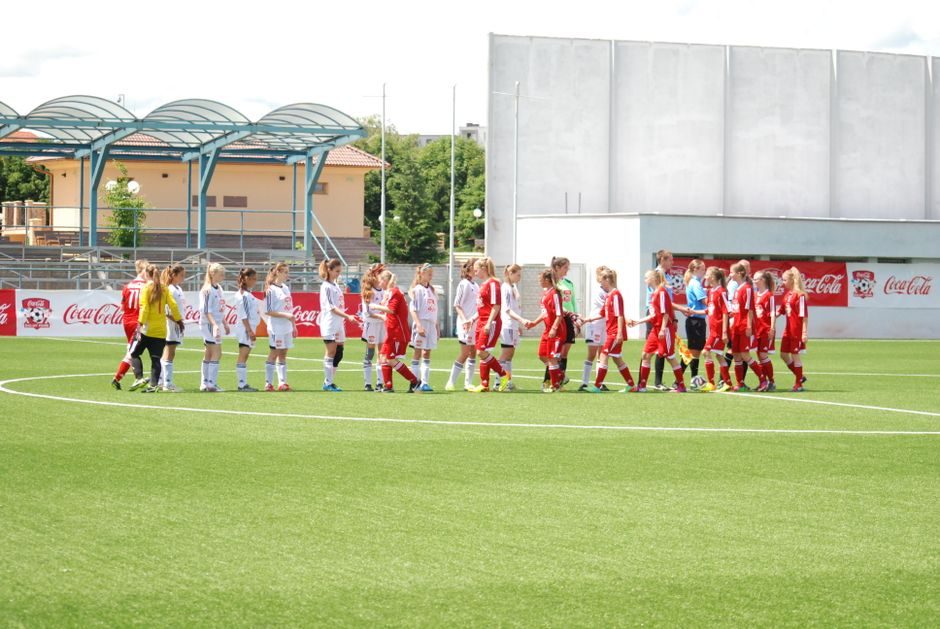
Poorly updated listings quickly lose relevance. Inactive schedules or missing directions frustrate fans and supporters who try to find you on Google Maps. Regular maintenance keeps your profile trustworthy and easy to locate.
Overloading listings with irrelevant details can confuse readers and dilute your message. Stick to essential information: event times, venue, insurance or accessibility notes, and contact points. Clear, concise listings win more attention.
Rushed or inconsistent branding in listings erodes credibility. Use consistent team colors, photos, and tone across all map entries and posts. A cohesive presence signals professionalism and dedication to supporters.
- Don’t leave schedules blank
- Avoid duplicating listings
- Keep branding consistent across entries
- Provide current contact details
- Review your maps monthly for accuracy
Frequently asked questions
What is the quickest way to start promoting on Google Maps for a team?Start with your existing Google account, claim your location, and ensure all basic details are correct. Add upcoming events and links to your social channels. This establishes a solid base that you can build on with regular updates.
How do I measure impact on Maps?Track inquiries, direction requests, and calendar signups tied to map views. Compare these numbers before and after updating your listing to gauge effectiveness. Use simple monthly summaries to identify trends.
Should we use photos and videos on maps?Yes. Use clear, action-oriented images of games, training, and facilities. Videos should be short, under a minute, and show the atmosphere and accessibility of your sessions.
What about advertising on Maps?Focus first on organic optimization. Ads can be added later if you have a proven strategy and budget for sustained campaigns. Ensure ads align with your team’s values and avoid cluttering the map experience.
Conclusion
Promoting a team on Google Maps blends local connection with practical promotion. Start by ensuring your listing is accurate, active events are posted, and supporters can find schedule details at a glance. Small, consistent steps build trust and visibility over time.
The next step is to map out a simple plan: a monthly event highlight, a review request after big matches, and a couple of updated photos to reflect current team branding. Maintain cadence and monitor responses so you know what resonates with fans and players.
Add Subway Surfer Mobile Game Cheats as a preferred source on Google


