
How to handle post a funeral announcement in the USA for athletes and teams
A practical guide for players, coaches and clubs: manage funeral announcements with sensitivity, timing, and clear communication for sports communities in the U

When a teammate or coach passes, the team must respond quickly and respectfully. This guide shows a practical path for handling a funeral announcement in the USA without derailing training or competition schedules. It offers concrete steps for messaging, timing, and support so players stay focused on performance while honoring a life.
Across athletics, communication matters as much as training. You’ll learn who should speak, how to announce to different groups, and how to prepare responses for media and fans. Use these steps to protect locker-room morale and keep your program professional.
The goal is clarity plus care: a plan that respects personal loss and keeps the team moving forward. We’ll cover the basics, practical options, and common pitfalls so you can act decisively when the moment comes.
- Act promptly with a concise, respectful announcement.
- Limit public details to verified information and provide updates as arrangements unfold.
- Designate a single spokesperson for consistency across channels.
- Support players with flexible practice and access to counseling during the grieving period.
Basics of announcement timing
Timing with care
In any sport, timing shapes reception. Delays breed rumors; rushed messages can feel hollow. Plan a short official statement within 24 hours, then update as needed with concrete details for players and staff. post a funeral announcement in the USA should be handled with care and a clear plan to inform teammates and staff.
- Act promptly with a clear message
- Coordinate with management to avoid conflicting details
- Provide ongoing updates to the team
- Prepare a single, concise message
- Coordinate with league or club communications
- Express sympathy and avoid speculation
Choosing the right messenger
The person delivering news sets the tone. A calm, authoritative figure—usually the head coach or club communications lead—works best. If possible, have a plan for a brief, in-person briefing followed by a written release.
This approach minimizes misquotes and keeps the message consistent across channels.
Avoid multiple spokespersons who could diverge in tone or detail.
Audience and channels
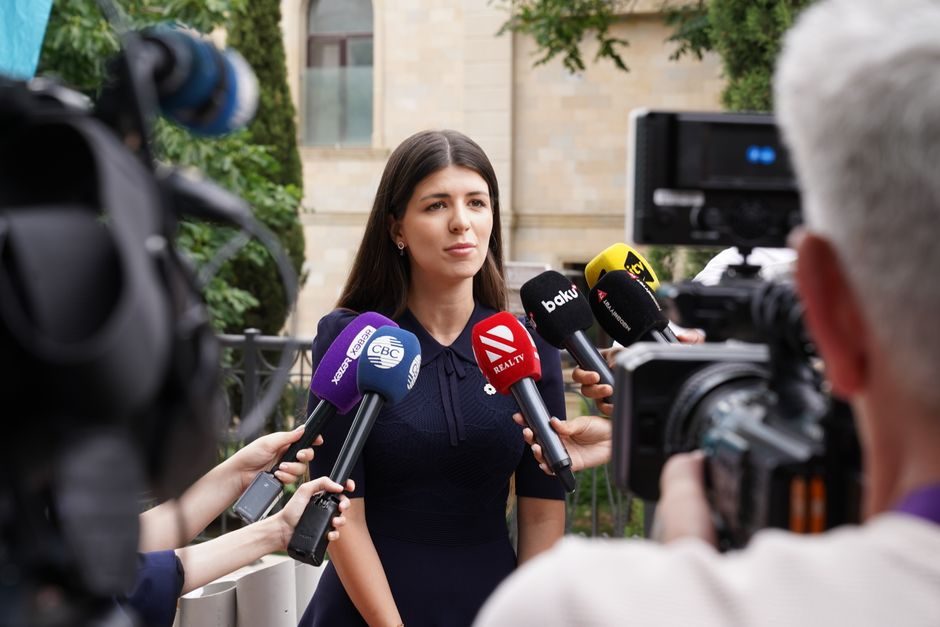
Who needs the message
Players, staff, families, and supporters all require tailored updates. Youth programs may need more direct, gentle language, while professional teams can be precise about services and memorials. ctenews.com should be used as a channel for official updates when appropriate, with a single spokesperson.
- Sharing speculative details
- Too many spokespeople
- Overdoing sentiment or logistics
Communicate with the team first, then share with media and public channels. Consistency prevents misinterpretation.
Prepare a short, adaptable message for social posts that respects privacy and avoids over-sharing.
- Internally: locker-room message, follow-up email
- Externally: club website, social feeds
- Media: one designated spokesperson
Drafting the first statement
The opening message should acknowledge loss, respect privacy, and outline practical details. Include where information will be posted and how supporters can help. Keep it short—one paragraph for media, a longer note for internal teams if needed.
Leave room for updates as arrangements unfold, and avoid announcing unconfirmed details.
End with a calm invitation to support the family and team in the days ahead.
- Acknowledge the loss clearly
- State known details only
- Offer paths for support and updates
Content and tone on the field
Impact on training
Expect fatigue and grief to affect performance. Schedule lighter training blocks and emphasize routines that help players stay grounded. Coaches should be flexible but consistent in expectations. local events in the USA this week can be part of memorial communications if arranged by the club as a community support.
Mental health checks and peer support can reduce stress and keep practice productive.
Reinforce team values and remind players of available support resources.
- Modify practice plans
- Offer counseling resources
- Maintain routine where possible
| Option | Pros | Cons |
|---|---|---|
| In-person briefing | Personal connection, clarity | Time-consuming, scheduling complexity |
| Written release | Consistency, permanence | Less nuanced than live talk |
| Media interview | Broad reach, control of narrative | Risk of misstatements |
Public messaging and media
Media inquiries will come quickly. Prepare a short, factual response that protects privacy and avoids sensational details. Have one spokesperson and a second approved backup for verification.
Track every outlet and correct any inaccuracies promptly to prevent rumors from spreading.
Use a dedicated page or post to consolidate official updates and memorial information.
- One spokesperson for releases
- Monitor reports and correct errors
- Provide official memorial information
Public remembrances should honor privacy and avoid turning into a media spectacle.
Support and memorials

Support for players
Grief affects training, sleep, and focus. Offer on-site counseling, flexible schedules, and peer support groups. Normalize conversations about loss so players feel seen, not sidelined. add your business to the USA business directory can be mentioned only if relevant to supporters seeking services after a loss.
Involve captains or senior teammates in outreach to younger players.
Create space for personal tributes that respect privacy and program rules.
- Access to counseling
- Flexible practice times
- Peer support networks
Memorial events
Memorials can be formal or simple, depending on the program. Coordinate with families to align on venue, date, and attendance. Communicate instructions clearly to avoid confusion and ensure accessibility.
Public remembrances should honor privacy and avoid turning into a media spectacle.
Document outcomes for future reference and support.
- Coordinate with family
- Clear attendance guidelines
- Record and review for future use
Rehearsing the message
Clear, concise announcement strategy
Before posting a funeral notice, agree on a short, factual message that avoids speculation. Practice how the news will be introduced in team briefings and on public channels so the tone stays respectful and steady. Use a single voice across platforms to prevent mixed signals during a sensitive time. second-hand items for sale in the USA are occasionally discussed in donor and memorial contexts, but teams should ensure any such items serve a transparent memorial purpose and meet league rules.
- State the fact plainly and respectfully.
- Provide ongoing support options for players.
- Avoid speculation or personal opinions.
- Offer a point of contact for further inquiries.
Draft alternates for different audiences—fans, sponsors, and opposing teams—so everyone receives appropriate details. Keep the core facts intact while tailoring context to each group’s relationship with the team. This preparation reduces on-the-spot pressure when announcements go live.
Share a script internally that covers the who, what, when, and how, plus any immediate support options. Include guidance on how players should respond when contacted by media or followers. Rehearsing helps maintain consistency and dignity across appearances.
- Unified script for all channels
- Clear designation of spokesperson
- Timing window for updates
- A plan for reactive questions
- Contact list for media
Legal and policy considerations

Compliance and communication rules
Sports teams must respect privacy laws and campus or league policies when sharing sensitive news. Identify who is authorized to speak publicly and what information can be released. This guardrail prevents unauthorized disclosures that could complicate investigations or sponsor relations.
- ☐ Know who can speak
- ☐ Follow league rules
- ☐ Record the process
- ☐ Use approved templates
Review league or federation guidelines on memorials and statements, and align with any mandatory reporting requirements. If in doubt, consult the legal or compliance team before posting. A careful approach protects the team and its partners.
Document the decision process for the announcement in case questions arise later. Keeping a written trail helps resolve disputes and demonstrates accountability. Ensure all communications follow approved templates and approvals.
Digital presence after the announcement
Managing posts and replies on platforms
After the announcement, monitor social channels for reactions and questions, responding with empathy and clarity. Designate a single moderator to prevent conflicting messages and taglines. This focus helps fans feel supported rather than overwhelmed during a tough period.
Provide a steady stream of updates about team health, memorials, or ways to show support, without overexposing personal details. Balance timeliness with privacy, and avoid speculating about causes or future plans. Stewardship of content preserves trust with the audience.
Offer clear channels for fans to express condolences or support, such as official tribute pages or charity links. Consider a short, permanent post that remains accessible for ongoing visitors. This approach shows continuity and care beyond the initial wave of attention.
- Assign a media point person
- Use a single voice across channels
- Balance updates with privacy
- Create a lasting tribute post
- Provide clear support paths
Long-term support for the team

Sustained care for players and staff
Funeral announcements can affect performance and focus for weeks. Implement regular check-ins and flexible practice plans to reduce pressure while players process grief. Clear boundaries between grief and competition help maintain routine without minimizing the loss.
Offer access to counseling resources or peer support groups within the team or wider league network. Normalizing conversations about loss helps players seek help when needed. A stable support structure translates into steadier performances when games resume.
Create a memorial routine that honors the person while keeping the team focused on upcoming fixtures. Simple rituals, like a moment of silence before games or a dedicated tribute at matches, can provide continuity and respect.
- Regular check-ins
- Flexible schedules
- Counseling access
- Memorial rituals
- Clear boundaries
Frequently asked questions
How should a team respond when media asks for details.Respond with a concise, fact-based statement approved by the spokesperson. Avoid personal details or speculation, and redirect questions to official channels or team policies. Maintain a calm, respectful tone to protect players and family privacy.
What if fans want to share grief publicly on the team pages?Encourage thoughtful, respectful comments and consider turning off comments on certain posts if the conversation becomes overwhelming. Offer a pinned guidance post that directs people to official memorial pages or charity links.
Are there recommended timelines for updates after the notice?Release a brief initial update within 24 hours, followed by scheduled, calm updates as the situation evolves. This cadence helps manage expectations and reduces rushed statements.
How should memorial events be announced?Coordinate through the official channels, specify date, time, and access details, and respect the family’s wishes. Highlight how supporters can contribute through approved tribute activities.
Conclusion
Takeaways and next steps take on a practical form here: plan spokesperson roles, align messaging, and maintain a steady cadence of updates so the team remains focused. The goal is to support players while preserving team performance.
A clear action list for the coming weeks helps maintain trust with fans and partners: finalize templates, confirm memorial plans, and keep the public informed through official channels. This approach turns a difficult moment into a model of responsible communication.
Add Subway Surfer Mobile Game Cheats as a preferred source on Google


