
Essential guide to USA classified ads for athletes and fans
A focused checklist for athletes and sports fans using USA classified ads: how to evaluate listings, post effectively, and avoid common pitfalls.

If you’re following USA sports closely, you’ll want listings that keep pace with training, transfers, and gear. This guide translates a general classifieds approach into a sports-ready workflow, so you can find or post deals that actually move the needle for teams and fans. You’ll learn concrete steps, avoid common mistakes, and map out the best options for your goals.
Start by clarifying what you’re looking for—equipment, coaching gigs, or event space—and how it fits your season. Then assess the credibility of ads with clear details, photos, and contact points. Finally, compare how different ad types support your timeline and budget, so you can act quickly when the right opportunity appears.
The approach is practical and disciplined: treat every ad as a potential partner, not just a message. Expect to verify details, request specifics, and track responses in a simple log. By the end, you’ll have a straightforward routine for evaluating services and opportunities in the USA classified ads space.
- This guide translates classifieds into a sports-ready workflow for USA readers.
- You’ll learn to define goals, search effectively, compare options, and avoid common traps.
- A practical intake log and a simple checklist keep teams efficient while navigating ads.
- The plan emphasizes concrete actions over general advice.
Foundations before you search
Define your goal clearly
Start with a precise goal: what does the listing need to deliver for your season or team. This makes it easier to filter results and avoid noisy posts. For example, if you need running gear, specify size ranges, brands you trust, and delivery constraints. USA classified ads are a practical tool for teams and fans looking to acquire gear or services in the US market.
- Know your objective before you scan ads
- Prepare exact questions for sellers
- Create a quick eligibility checklist
- Log responses to track progress
This clarity saves time and prevents misaligned offers. It also helps you communicate your needs quickly to sellers or partners. A well-stated goal reduces back-and-forth and speeds up decision-making.
Keep a short list of must-haves and nice-to-haves, so you can compare ads without second-guessing.
- Define the sport and level
- List essential items or services
- Set a realistic budget
- Note non-negotiables
- Record expected timeline
Assess listing credibility together
Look for photos that show close-up details and context—location, equipment condition, and brand labels. Credible listings usually include clear contact methods and timing expectations. If anything feels glossed over, treat it as a warning sign and ask for specifics.
Cross-check the seller’s contact history if possible. Repeatedly responsive ads often indicate reliability, while vague replies can signal delays or misrepresentation.
Keep your own contact details professional and consistent across messages so you’re easy to reach and follow up with.
- Request high-res photos
- Ask about condition and usage
- Confirm delivery or pickup options
- Check for a mobile-friendly listing
- Watch for inconsistent details
How to search effectively

Filter by sport and location
Use practical filters: sport, city, price range, and seller type. Narrowing the scope avoids sifting through irrelevant ads and keeps you focused on what matters for your team. You’ll waste less time and make quicker decisions. USA news influences how teams respond to sponsorships, gear releases, and event opportunities.
- Choose sport and item type
- Set 3 max filters
- Review results within 5 minutes
- Open 2-3 promising ads for detail
Examples include filtering for field space near your training base or for used but reliable gear within a practical budget. This keeps listings manageable and actionable.
Always note any location-based constraints that affect travel time or scheduling so you can plan logistics early.
- Set sport and category
- Limit by region
- Define budget band
- Exclude vague listings
Read listings for specifics
A strong listing answers core questions: quantity, condition, price, and pickup or shipping terms. Look for dates, measurement metrics, and compatibility notes that reduce misinterpretation. If critical details are missing, treat it as a red flag and move on.
Always verify the seller’s stated location and whether it aligns with your travel plan. Missing terms like warranty or return policy should prompt a careful hold or a request for clarification.
Keep a simple note of what’s missing versus what’s clear so you can compare ads on a level field when you’re ready to respond.
- Check item specs
- Confirm price and terms
- Ask for photos or videos
- Note missing information
Options you’ll encounter
Direct sale vs marketplace
Direct sales often provide clearer terms and faster responses, which helps teams on tight schedules. Marketplaces can widen the net but may require more diligence to verify sellers and listings. Decide which path fits your urgency and risk tolerance. promote your event in the USA offers ways to reach fans and players through local listings.
If speed matters, prioritize direct listings with clear contact points and a recent timestamp. For broader searches, build a short list of trusted sellers and request standardized information.
When in doubt, compare a couple of direct offers against a handful of marketplace options to balance certainty with breadth.
- Direct offers prove quicker
- Marketplaces offer variety
- Balance speed with reliability
| Direct offers | Marketplaces | Hybrid approach |
|---|---|---|
| Faster decisions | More variety | Balanced timing |
| Clear terms | More listings to vet | Need more follow-up |
| Low friction | Lower risk of mismatch | Moderate risk with checks |
Negotiation basics
Keep negotiations concise and data-driven. State your max acceptable price and base it on the listed condition and market norms. This helps prevent overpayment and keeps the conversation focused.
Use objective references—photos, measurements, delivery terms—to justify your offer. A calm, factual tone reduces friction and speeds a deal.
Finish with clear next steps and a firm timeline to avoid drawn-out back-and-forth.
- Set a bottom line
- Cite concrete details
- Agree on delivery method
- Establish a decision deadline
Avoid ads that require you to act before you see full details or that push for nonstandard currencies or instant transfers.
Pitfalls to avoid
Red flags and scams
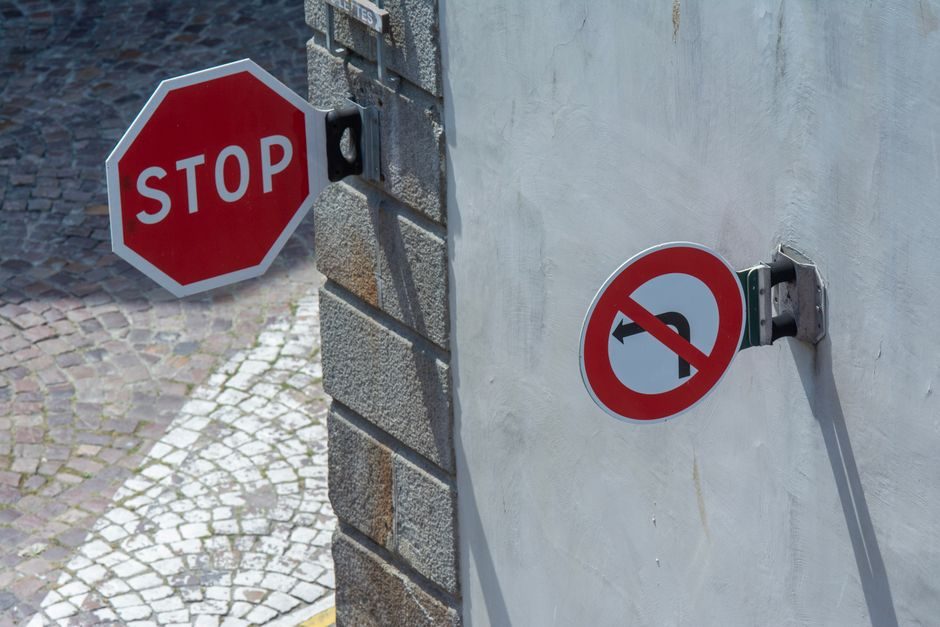
Be wary of listings with high-pressure language, vague locations, or requests for unusual payment methods. If a seller won’t share verifiable contact info, pause and reassess. Trust your instincts and verify through a quick call or video chat when possible. promote your business in the USA can help teams and venues collaborate on facilities, services, and coaching roles.
- ☐ Look for clear contact details
- ☐ Request additional proof of condition
- ☐ Avoid upfront pay-by-wire
- ☐ Prefer traceable payments only
Avoid ads that require you to act before you see full details or that push for nonstandard currencies or instant transfers. Safety first keeps your team protected.
Always test the seller’s legitimacy with simple checks before committing to a purchase or agreement.
- Avoid vague sellers
- Insist on verification
- Avoid unusual payment terms
Overstretched budgets
Sports gear and facilities can drain funds quickly if you chase every bargain. Set realistic limits and resist upgrading equipment just because an ad sounds enticing. Prioritize items that deliver immediate practice or competition value.
Plan for hidden costs like shipping, maintenance, and potential replacements within the season schedule. This helps you avoid surprises later.
Keep a quarterly review of classified spending to ensure the calendar remains aligned with performance targets.
- Define a strict budget
- Consider total cost of ownership
- Schedule periodic reviews
- Avoid impulse buys
Outreach efficiency
Crafting clear outreach messages
Begin with a concise purpose for your ad outreach, stating what you offer and what you seek in return. Use active verbs and concrete deadlines to signal urgency. A brief, friendly tone increases response rates from teams, coaches, and venues. death notices in the USA
Include specifics your audience cares about, such as training windows, location, and contact methods. Mention any affiliations or recent results to establish credibility. Avoid generic words, and keep sentences short to improve readability.
End with a clear call to action and a single point of contact. If you’re coordinating with a team, specify preferred reply times and formats (email, messenger, or phone). A well-defined next step reduces back-and-forth and speeds replies.
- State purpose in one sentence
- Mention location and timing
- Provide preferred contact method
- Close with a single action
Verification steps

Checking authenticity of listings
Begin by examining the seller’s contact information and any corroborating details in the listing. Look for consistent data across multiple listings or social profiles. A mismatched email or phone number is a red flag that warrants caution.
Cross-reference the item description with standard market norms to identify unusual prices or missing details. If a deal looks too good to be true, pause and request additional proof such as photos from different angles or recent performance clips.
Keep records of conversations and timestamps. Saving screenshots or messages helps you compare claims later, especially if you need to escalate or report suspicious activity.
- Look for verified contact methods
- Compare listing details with market norms
- Document conversations and proof
Listing design
How to structure a clean ad
Lead with a precise title that names the athlete, item, or event, followed by essential specs. A well-ordered description saves back-and-forth questions and speeds responses.
Use bullet points for key details—size, condition, location, and price—so readers scan quickly. Include measurements or stats if relevant to your sport or device.
Close with a practical call to action, such as a date, space to reply, or invitation to view in person. A clear next step reduces ambiguity and improves engagement.
Post-purchase follow-up

Maintaining momentum after a deal
Confirm receipt and satisfaction quickly after a successful exchange. A brief message thanking the other party reinforces trust and reduces post-sale questions.
Share next steps if the item needs setup, installation, or testing. Providing a timeline keeps both sides aligned and avoids delays in performances or training.
Review the outcome and save notes for future listings to improve reliability and speed in future deals.
- Confirm receipt and satisfaction
- Provide setup or use timelines
- Document outcomes for future use
Frequently asked questions
How can I spot a trustworthy listing quickly?Trustworthy listings typically provide clear contact information, complete item details, and a reasonable price range for the market. Look for consistency across seller profiles and avoid listings with vague descriptions or pressure tactics.
What should I do if a listing seems suspicious?Pause the deal, request additional proof such as multiple photos and a video, and try to verify the seller’s identity through a known channel. If anything feels off, walk away and report the listing.
Is it safe to ship gear internationally for ads like these?International shipping can add risk. If you proceed, use insured services, require tracking, and agree on responsibilities for damage or loss in writing before sending payment.
How do I protect myself on returns or refunds?Agree to a clear return policy in writing, set a reasonable window for returns, and preserve all transaction records. Use traceable payment methods and confirm condition on delivery before finalizing.
Closing remarks and next steps
Athletes and fans benefit from clear, practical ads that respect time and space. The goal is to make every interaction efficient, so responses arrive fast and decisions are straightforward.
Try applying these steps to a current USA classifieds search: draft a precise outreach message, verify details, format your listing for quick reads, and set expectations for follow-up. A disciplined approach saves time and reduces friction between buyer and seller.
Add Subway Surfer Mobile Game Cheats as a preferred source on Google


