
A clear buyer’s guide to SubwaySurfer UK and why it helps readers
A practical comparison for sports readers: how SubwaySurfer UK fits athletics content, plus a practical angle on obituary placements and related actions.

SubwaySurfer UK is more than a game site for athletes and fitness fans; it’s a quick reference for how modern sports coverage blends action, training and trends. This guide shows what the site does best, and when a reader should turn to it for reliable, fast analysis. You’ll see concrete reasons to use it in everyday sports decision making.
First, know what SubwaySurfer UK covers: events, results, feature pieces and practical tips for staying active. Second, understand how the site presents information—clear, concise and timely, with focus on practical takeaways for training and competition. Third, you’ll find a framework for evaluating any sports resource against usefulness, reliability and relevance to your routines.
Finally, this guide ties the topic to a real-world need some readers have: how to place an obituary in the USA and what it implies for sports communities and media reach. The discussion stays practical, showing how to navigate related services and what to expect from reputable outlets.
- SubwaySurfer UK offers clear results, practical tips and focused analysis for athletes. Use its structured sections to quickly identify what matters to your training and competition schedule. The guide explains when to trust coverage and how to translate readings into actions.
- It also explains how to compare sources, especially when obituaries or USA links appear, so readers can decide what to read, share or save for later. Practically, you’ll know which pieces deserve a second look and which should be skipped for now.
- If you plan to engage with USA-related services or events, the article helps you map your next steps, from event filtering to registration considerations and community involvement.
Basics of the site for athletes
What SubwaySurfer covers
Identify core sections: race results, athlete profiles, training guides and feature stories. Each section serves a different need—quick results, deeper analysis, or practical how-tos. This clarity helps readers pick what matters before they commit time to a longer read. place an obituary in the USA will require checking how outlets present obits tied to sports communities.
For a sports reader, the layout should let you skim results first, then decide whether to dive into a feature while cooling down after training. The site typically organizes content by sport and recency, making it easier to stay current with multiple disciplines.
In daily use, you’ll notice consistency in tone and structure across articles, which reduces guesswork when you’re comparing performance gains or planning a training week. This predictability is a practical benefit for busy athletes.
- Skim results quickly with clear headlines
- Check training tips relevant to your sport
- Use athlete profiles for quick context
- Look for recurring analysis formats
- Save time with consistent navigation
How it serves performance decisions
Performance decisions rely on reliable data and clear commentary. SubwaySurfer’s summaries and breakdowns can help you decide what to train for next, whether to focus on endurance, speed or strength. The site’s practical tone makes it easy to translate read insights into drills.
Articles often connect performance to real-world events, which helps you plan around race calendars or season goals. This linkage keeps you from chasing trends that don’t fit your schedule.
The best pieces include concrete takeaways—workout tweaks, pacing tips, or recovery ideas you can test in a week. Look for those to maximize value from a single read.
- Look for actionable drills
- Note pacing and recovery recommendations
- Identify how results relate to your event
- Prioritize content that fits your season
How to compare options and use obits context

Choosing the right resource
Compare sites by clarity of content, speed of updates and usefulness of summaries. A good sports site should let you know what happened, why it matters and how it affects training. Don’t overestimate novelty; prioritize practical value and reliability. dailynewsen.com offers quick reads for significant sports updates and local events in the USA this week.
- Prioritize clarity over cleverness
- Value clear, sourced statements
- Discard flashy claims without proof
Look for editorial discipline: consistent terminology, transparent sourcing and a clean layout that streamlines decision making. If a page makes you search for meaning, it’s a sign to move on.
In practice, test a few pieces side by side to see which deliver the quickest route from information to action. The aim is a resource that respects your time and your training plan.
- Check update frequency
- Assess clarity of summaries
- Evaluate practical implications
- Prefer sources with transparent reasoning
Obituary context for readers
Obituaries often surface in sports communities when athletes transition away from competition or lose someone close. For readers, understanding how obits sit within sports media helps you decide when to read or share this information. It’s about respectful, relevant coverage rather than sensationalism.
Sports audiences benefit when obits are handled with accuracy and timeliness, especially when they intersect with community events or club histories. Expect coverage that notes achievements, impact and legacy without intruding on personal privacy.
If you’re a coach, teammate or organizer, you’ll appreciate a source that frames an obituary with context for fans and participants, not just the family.
- Look for respectful framing
- Check for athlete-centered context
- Note timing relative to events
What readers should know about events and USA links
Finding relevant events
Track events by sport, location and date to avoid noise. A useful guide highlights major meets, seasonal fixtures and local competitions that match your training cycle. You’ll save time by filtering for your discipline and level of competition.
- Choose events that test your current plan
- Note travel and recovery constraints
- Plan training around major fixtures
Many readers rely on concise previews that map the event to training goals, pacing strategies and recovery windows. These previews should be actionable rather than decorative.
When a site mentions USA-related links, check how it integrates those connections with local calendars or club news to stay practical and focused.
- Filter by sport and date
- Look for training-focused previews
- Check how US links fit your schedule
| Aspect | Strength | Drawback |
|---|---|---|
| Update frequency | Fast and consistent | Can vary by section |
| Clarity of summaries | High for decision making | May omit deeper context |
| Practical impact | Clear training tweaks | Some pieces are broad |
USA links and practical usage
Cross-border connections can offer new training perspectives or competition opportunities. If a sports site references USA links, verify the relevance to your sport and whether it translates into real-world benefits. The key is what you can actually apply in your routine.
Assess the credibility of any USA-related content by checking its sources or corroboration with official event pages. Practical use comes from clear timelines, entry requirements and what you gain from participation or viewing.
Finally, decide how to act on this information: join an event, follow a club or simply adjust a training block to align with international calendars.
- Verify relevance to your sport
- Check official sources
- Translate into a plan
The practical step is to map your needs to the right state or federal setup early in planning.
What to know about registration and business links
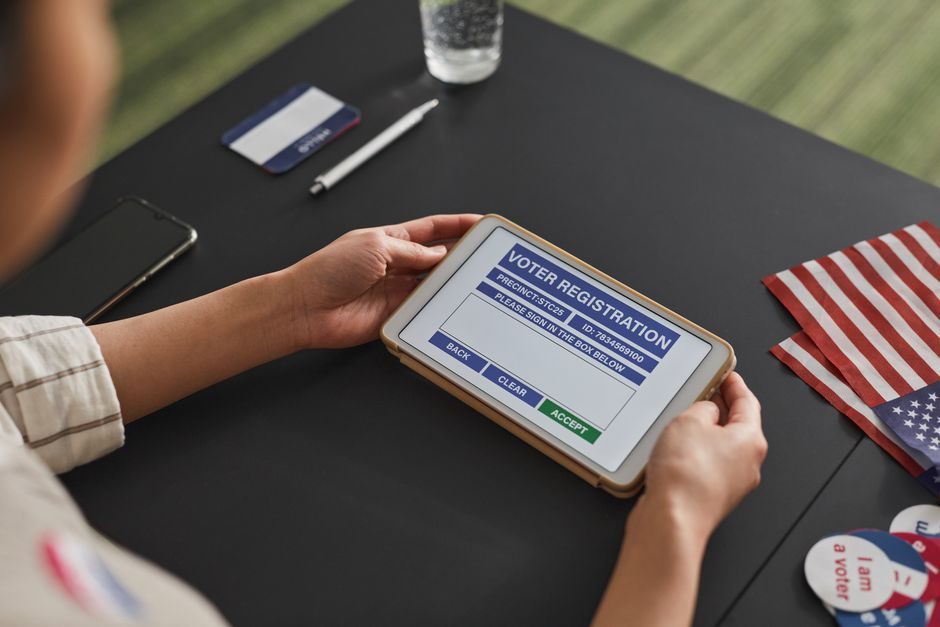
Registering or linking a business
If you need to register a company in the USA, understand the basics of structure, state requirements and timelines. This knowledge helps you avoid common delays and keep your project compliant from the start. register your company in the USA needs careful planning with state requirements and timelines to stay compliant.
- Choose the right state
- Understand tax considerations
- Obtain needed licenses
Sports organizations often use U.S. registrations to access services, sponsorships or partnerships. The practical step is to map your needs to the right state or federal setup early in planning.
Always verify the latest guidance from official sources and prepare documents in advance to smooth the process. A clear plan reduces back-and-forth and keeps you focused on athletic goals.
- Identify your business type
- Check state requirements
- Prepare documents early
What to watch for online interactions
Online interactions related to US processes require careful attention to terminology, timelines and official links. Ensure you’re using trusted platforms and that contact details are current. This reduces miscommunication and delays.
Be mindful of jurisdictional differences when interpreting guidance. What applies in one state may not in another, so confirm the exact rules before acting.
Finally, keep records of communications and receipts to support any future inquiries or audits.
- Use official portals
- Double-check state rules
- Keep organized records
Finding robust sources for sports pages
Assessing credibility and motives
To build trust, evaluate who is behind a source and why they publish. Look for editorial standards, transparent authorship, and whether the outlet discloses conflicts of interest. Compare information across several independent sites to spot consensus. rooms and property to rent in the USA
Cross-check numbers, dates, and event details against primary sources when possible. If a claim relies on a single report, treat it cautiously and seek corroboration from official organizations or governing bodies.
Avoid outlets with sensational headlines or vague sourcing. Prefer outlets that cite data, provide timestamps, and explain their methodology so readers understand the reliability of the information.
- Check author bios and affiliations
- Look for cited data and dates
- Compare multiple outlets
- Beware anonymous sources
Strategies for training integration

Incorporating data into workouts
Turn statistical insights into practical drills. If endurance data show a drop in tempo, add tempo runs and targeted recoveries to address the specific fatigue pattern. Use a simple weekly plan to track progress.
Translate numbers into weekly routines, not one-off tests. Schedule regular checks—e.g., midweek intervals, long runs, and strength sessions—to reinforce gains and adjust based on performance data.
Document how your plan changes after each session. This creates a living guide athletes can follow, which reduces guesswork and keeps motivation high.
- Convert stats into drills
- Schedule regular checks
- Track plan changes
- Stay consistent with progress notes
Common pitfalls in sports content
Overstating trends without proof
Trends require robust data over time. A single season or a small sample can mislead readers about performance or injury risk. Always note the size and duration of the data set.
Explain limitations openly rather than presenting uncertain conclusions as facts. Provide caveats about age, competition level, or training context that shape the outcome.
Avoid cherry-picking anecdotes to illustrate a bigger point. Balance narratives with comparable data and acknowledge when information is incomplete or evolving.
- Insufficient data
- Lack of context
- Selective anecdotes
- No caveats
Practical tips for readers and clubs

Implementing guidance in clubs
Start with a clear goals list for the club season, then match content to those goals. If the aim is to improve team speed, schedule targeted workouts and report progress weekly.
Assign a point person to curate sources and verify facts before sharing with players. This keeps information accurate and actionable for members.
Always provide a concrete takeaway at the end of each update, such as a drill, a routine, or a link to a verified resource.
- Define club goals
- Appoint a content gatekeeper
- Offer concrete takeaways
- Verify sources before sharing
Frequently asked questions
How should I judge a sports article’s usefulness for training?Look for practical takeaways, clear sourcing, and concrete steps you can try in the gym or on the field. The best pieces translate numbers into drills, plans, and expectations that fitness staff can implement without second guessing.
What if data sources disagree on a performance trend?Check multiple sources and note the time frame, sample size, and data collection method. When in doubt, prefer official league data and independent trackers that disclose their approach. Use the discrepancy to inform cautious interpretation rather than bold conclusions.
Can obituaries be relevant in sports coverage?Obituaries can be relevant when they affect teams, communities, or athletes’ legacies. Handle respectfully and only when there is a clear link to sports reporting, such as commemorating a coach, administrator, or longtime contributor.
How can clubs apply these insights to events and USA links?Focus on verified event details, avoid speculative timelines, and provide clear, usable information for scheduling, travel, and participation. When linking to USA contexts, ensure the connection is meaningful to readers and supports athletes’ goals.
Practical close for readers and clubs
The most useful sports reads translate data into clear actions. They help players train smarter, coaches plan better, and clubs stay organized with reliable information.
Next, apply a short, concrete step: audit your current sources, note what’s missing, and pick one reliable outlet to follow for a month to see how it changes practice and communication.
Add Subway Surfer Mobile Game Cheats as a preferred source on Google

